Before AIM and MSN, we were on CompuServe, AOL chat rooms, ICQ and PowWow. Then came MySpace (way better than Facebook, I still say), Napster, Kazaa and LimeWire, a lot of burned CDs, custom ringtones my buddy and I made for people, and a pocket full of phones, from Nokia bricks (I still have a few) to RAZRs and BlackBerrys. Here’s how we stayed connected before the iPhone.

- Winamp, which still has a website and community
- Your old CD binders and that external hard drive full of MP3s
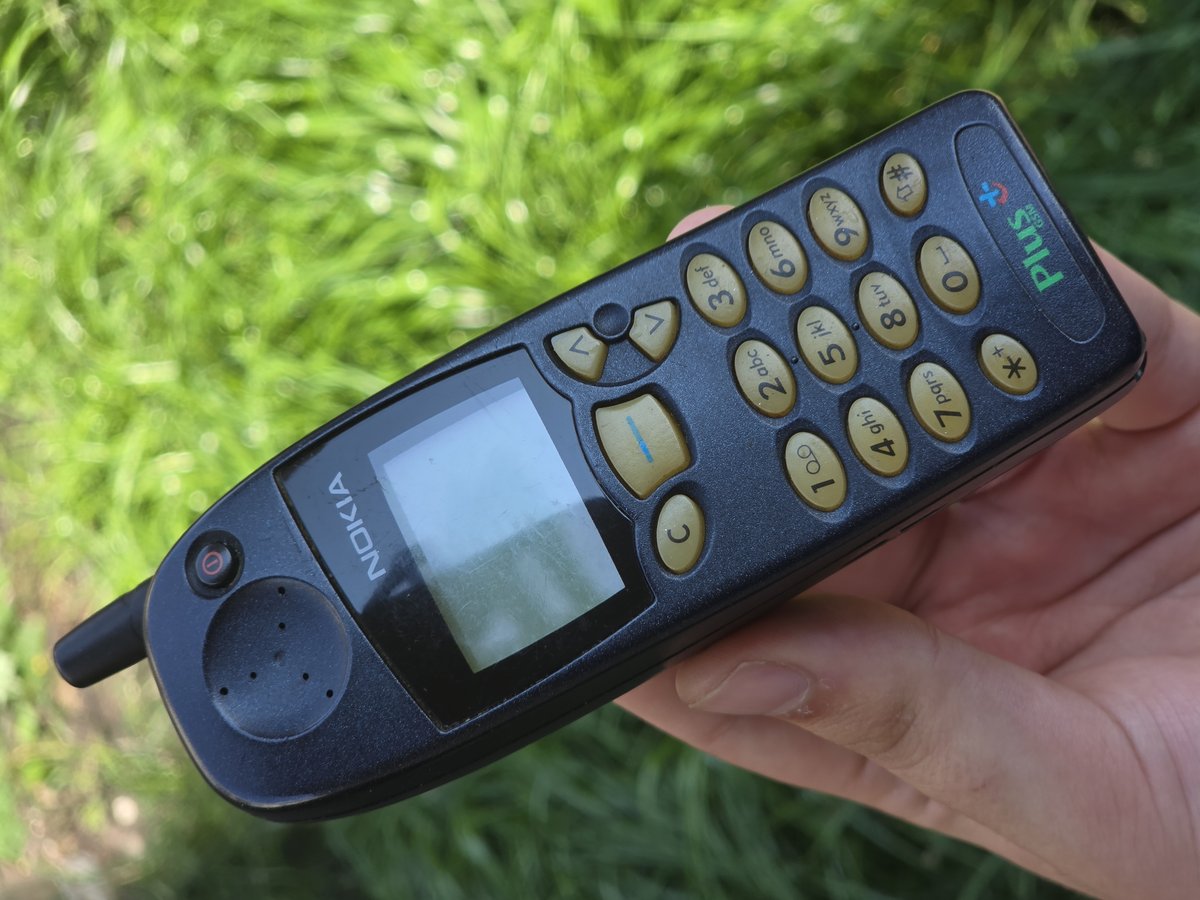
- The Nokia in the junk drawer, which will probably still turn on
Before the apps
Today, staying in touch means picking up your phone and opening one of a dozen apps. In the ’90s, you had to sit down at the family computer, dial in, and hope your friends were on at the same time. That was half the fun. Getting online at night and seeing who else was around felt like walking into the hangout spot.
This is the second half of my look back at growing up online. (The first half covers dial-up, local ISPs, search engines and the browser wars.) This one is about the people part: chat rooms and messengers, the music we passed around, and the phones in our pockets, from roughly 1990 until the iPhone changed everything.
CompuServe and the first chat rooms
CompuServe was the first major commercial online service, and it was doing social networking long before anyone called it that. On February 21, 1980, it launched CB Simulator, named after CB radio, and it was the first public, commercial chat program where lots of people could talk at once. CompuServe also had huge message forums on just about every topic you could think of, each one run by volunteers called sysops.
CompuServe was the online service to be on in the ’80s and early ’90s. It was also a little more serious, a little more business-like, and it charged by the hour. Then AOL came along and made the whole thing a lot friendlier.
AOL chat rooms: “a/s/l?”
AOL’s chat rooms were the center of the online universe for a lot of us. AOL pioneered chat rooms for regular people, and they were cheap for AOL to run because volunteer “community leaders” moderated them in exchange for free access.
There were rooms for every state, hobby, age group and TV show, and the “lobby” you got dropped into when you didn’t pick one. If you were there, you remember “a/s/l?” (age/sex/location), the first thing anybody asked you. You remember picking a screen name you’d be embarrassed by now. And you remember the AOL voice telling you “You’ve got mail!”
For a lot of people, AOL chat was the first time they ever talked to a stranger from another state, or another country. That was a big deal. It also taught a whole generation the basic rules of the internet: don’t believe everybody is who they say they are, and never give out your real info. AOL’s old-style chat rooms lasted, believe it or not, until December 2020.
ICQ: “I seek you”
Chat rooms were great for meeting people, but what about talking to just your friends? That’s where instant messaging came in, and the first big one was ICQ.
ICQ was made by an Israeli company called Mirabilis, founded in June 1996, and the free program came out that November. The name is a play on “I seek you.” It had no traditional advertising and spread almost entirely by word of mouth. It wasn’t the first live chat on the internet (IRC already existed), but it set the blueprint for instant messaging: your own account, a list of friends, and one-on-one conversations. ICQ was the first widely adopted messenger.
Everyone had a long ICQ number instead of a username, and if you got on early, you had a short one and were proud of it. AOL bought ICQ in 1998. At its peak around 2001 it had more than 100 million registered accounts. It hung on for a long time, too, finally shutting down on June 26, 2024.
PowWow: way ahead of its time
PowWow doesn’t get remembered as much, but it should. It was one of the first internet chat and instant messaging programs for Windows, from a company called Tribal Voice, founded in Woodland Park, Colorado, at the end of 1994 by software millionaire John McAfee (yes, the antivirus guy).
PowWow was doing things in the ’90s that other messengers took years to catch up to. It had voice chat over the internet, a shared whiteboard you could both draw on, a built-in text-to-speech voice, sound files, drag-and-drop file transfers, and a feature that let you browse the web together, so when one person clicked a link, the other person’s browser followed. AOL actually sued Tribal Voice in the late ’90s over its use of the phrase “buddy list.” Tribal Voice was bought by the dot-com company CMGI in 1999, and PowWow faded after that.
AIM, MSN and the art of the away message
Then came the two giants. AOL Instant Messenger (AIM) launched in May 1997 as a standalone download for Windows, which meant you didn’t even need to be an AOL member to use it. MSN Messenger launched on July 22, 1999. Yahoo had its own messenger, too. For a while, people ran two or three of them at once.
AIM was where the culture happened. Your buddy list. The sound of a door opening when a friend signed on and slamming shut when they left. Profiles with song lyrics and inside jokes. And, most of all, the away message.
Away messages were supposed to tell people you’d stepped away from the computer. Instead, they became their own little form of publishing. Teens and college students changed them constantly through the day, leaving them up with the computer on to tell everybody where they were, what party was happening, a mood, a joke, or a very carefully chosen song lyric aimed at one particular person. If you think about it, an away message was a status update years before Facebook or Twitter.
AIM’s popularity faded as texting, Facebook and Google’s chat took over, and AOL shut it down on December 15, 2017. MSN Messenger (renamed Windows Live Messenger) had more than 330 million monthly users in 2009 before Microsoft retired it in 2013 in favor of Skype.
MySpace: your Top 8, your song, your page
Before Facebook took over, there was MySpace. It launched on August 1, 2003, and from 2005 to 2009 it was the largest social network in the world. News Corporation bought it in July 2005 for $580 million, and in June 2006 it became the most visited website in the U.S.
If you were on it, you remember all of this:
- Tom. The moment you signed up, you had one friend already: Tom Anderson, MySpace’s co-founder, smiling in front of a whiteboard in his white T-shirt. Everybody’s first friend was Tom. Nobody ever forgets Tom.
- The Top 8. You picked your “Top Friends,” and they showed up right on your page in order, for everybody to see. Who made it, who got bumped, and who was number one caused real, honest-to-goodness drama. People got mad. Friendships were tested. Over a list of eight little pictures.
- Your page, your way. MySpace let you change the background and the whole look of your profile, so everybody learned a little HTML and CSS just to paste in a code from some layout site. Wild backgrounds, neon text, tiled pictures behind everything, and pages you could barely read. That was the point.
- Animated GIFs and glitter. Sparkly glitter text, spinning graphics, blinking banners, glitter “Thanks for the add!” comments. The more stuff moving on your page, the better.
- Your song. You could set any song you wanted to start playing the second somebody landed on your page. That song said who you were. Picking it was a big decision, and changing it was a statement.
MySpace was also huge for music. Bands built followings there years before streaming. At its peak in April 2008, MySpace had about 115 million monthly visitors, and by May 2009 Facebook had passed it in U.S. visitors. It never came back.
And I’ll say it: MySpace was so much better than Facebook. It was fun. It was yours. Every page looked different, and you could tell something about a person just by landing on it. Facebook made everybody’s page look the same. I wish we’d all just stayed on MySpace.

Winamp: it really whips the llama’s…
Once we had MP3s, we needed something to play them, and on Windows that was Winamp. Justin Frankel and Dmitry Boldyrev’s company Nullsoft released Winamp in 1997, and it took off right alongside MP3 file sharing. Winamp 2, released September 8, 1998, became one of the most downloaded Windows programs ever. By 2001 it had about 60 million users. AOL bought Nullsoft in 1999 for $80 million.
Everybody remembers the skins, which let you make Winamp look like anything, the trippy visualizers, and the little sound clip that played when you first installed it: “Winamp, it really whips the llama’s ass.”
Napster: every song ever, for free
In June 1999, Shawn Fanning and Sean Parker launched Napster, and nothing about music was ever the same.
Napster was a file-sharing program built just for MP3s. You typed in a song, and it showed you everybody online who had it, and you downloaded it straight from their computer. It was easy to use, and it had stuff you couldn’t find anywhere else: old songs, rare recordings, live bootlegs. College dorm networks got so overloaded that at some schools, as much as 61 percent of outside network traffic was MP3 transfers, and many colleges blocked it.
The music industry fought back hard. In April 2000, Metallica sued Napster, and Dr. Dre followed. The Recording Industry Association of America (RIAA) brought its own case. Napster’s verified use peaked at 26.4 million users worldwide in February 2001 (some estimates went as high as 80 million registered users), and it was shut down in July 2001. The name has been sold and relaunched several times since.

Kazaa, then LimeWire
When Napster went down, everybody just moved on to the next thing.
Kazaa launched in March 2001, right around Napster’s shutdown. It was built by Estonian programmers, including Jaan Tallinn, and owned by Niklas Zennström and Janus Friis, who later used the same peer-to-peer technology to create Skype. Kazaa shared more than just music, including videos and software, and it came bundled with adware, which is why a lot of family computers mysteriously slowed to a crawl around 2002.
LimeWire, created by Mark Gorton in 2000, ran on the Gnutella network and was the go-to for a lot of people by the mid-2000s. You remember the green interface, and you remember downloading a song only to find out it was mislabeled, or a joke, or a virus. On October 26, 2010, a federal judge ordered LimeWire to shut down its file sharing, and the company later settled with the record labels for $105 million.
I’ll be honest: a lot of people still have giant MP3 catalogs from those years, sitting on a hard drive somewhere, with names like “track 01 (2).mp3.”
Burning CDs for everybody
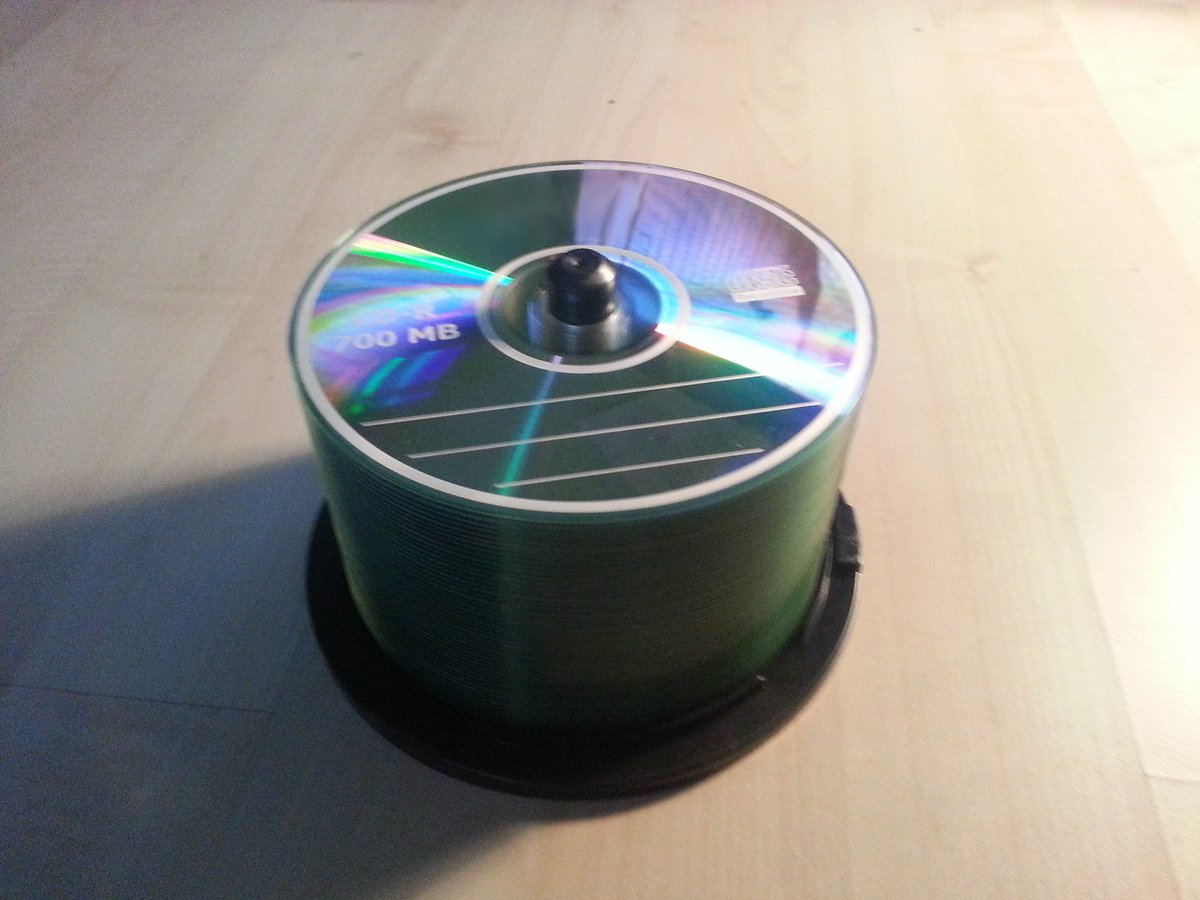
All those MP3s had to go somewhere, and in the days before everybody had a portable player, that somewhere was a blank CD-R. If you had a CD burner, you were the most popular person you knew.
Everybody burned CDs constantly. Mix CDs for road trips, for a crush, for the gym, for parties. You’d buy blank discs by the spindle, write the track list on the disc in Sharpie, and keep them in a zip-up binder in your car. You learned that a CD held about 74 or 80 minutes, that burning too fast could make a “coaster,” and that you shouldn’t touch the computer while it was burning.

iTunes and the iPod: everybody switches
Apple CEO Steve Jobs announced iTunes on January 9, 2001. At first it was a music player and library for Mac users, a way to rip CDs, organize your songs and burn your own discs.
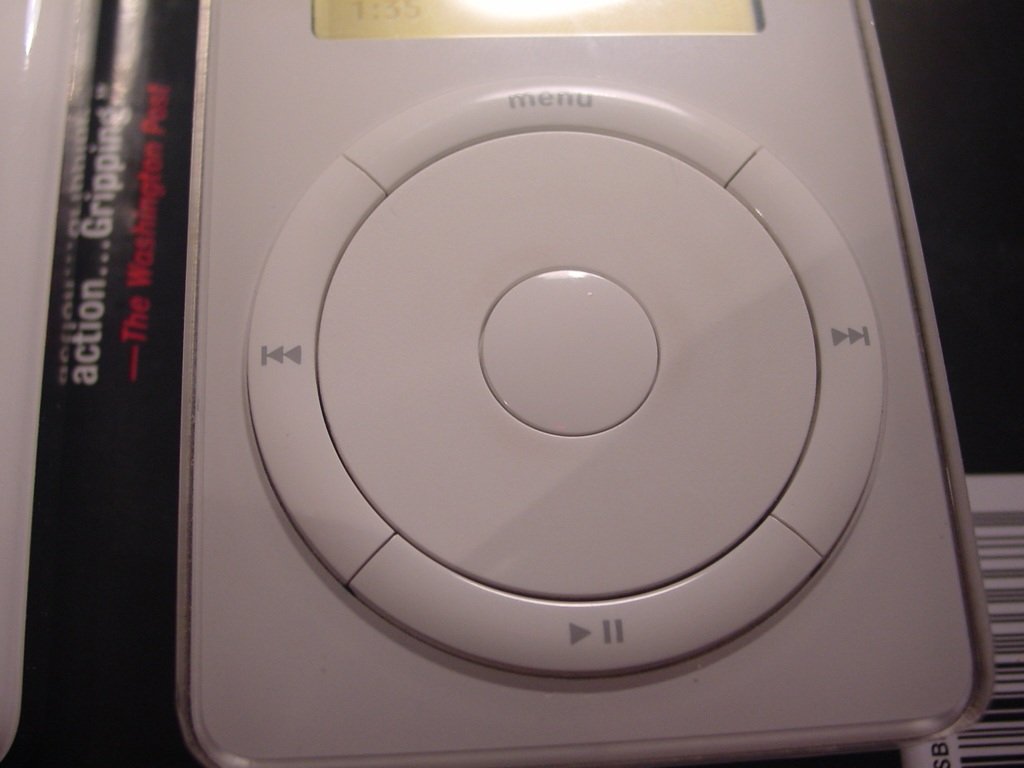
The first iPod was introduced on October 23, 2001, with the slogan “1,000 songs in your pocket,” and it went on sale November 10. In my memory, iPods weren’t a huge hit right away. They were expensive, the first ones were Mac-only, and plenty of people were happy with their burned CDs. But Apple kept at it: bigger models, cheaper models, and eventually the click wheel.
What really changed things was 2003. Apple opened the iTunes Store, where you could buy songs legally for about a dollar each, and on October 16, 2003, it released iTunes for Windows. Now everybody could use it. Within a few years, the white earbuds were everywhere, and iTunes was where your music lived. Lots of people dragged their old Napster and LimeWire MP3s straight into it.

The Nokia brick: the phone that survived anything
Now let’s talk phones. Before smartphones, the phone to have was a Nokia, and those things were indestructible.
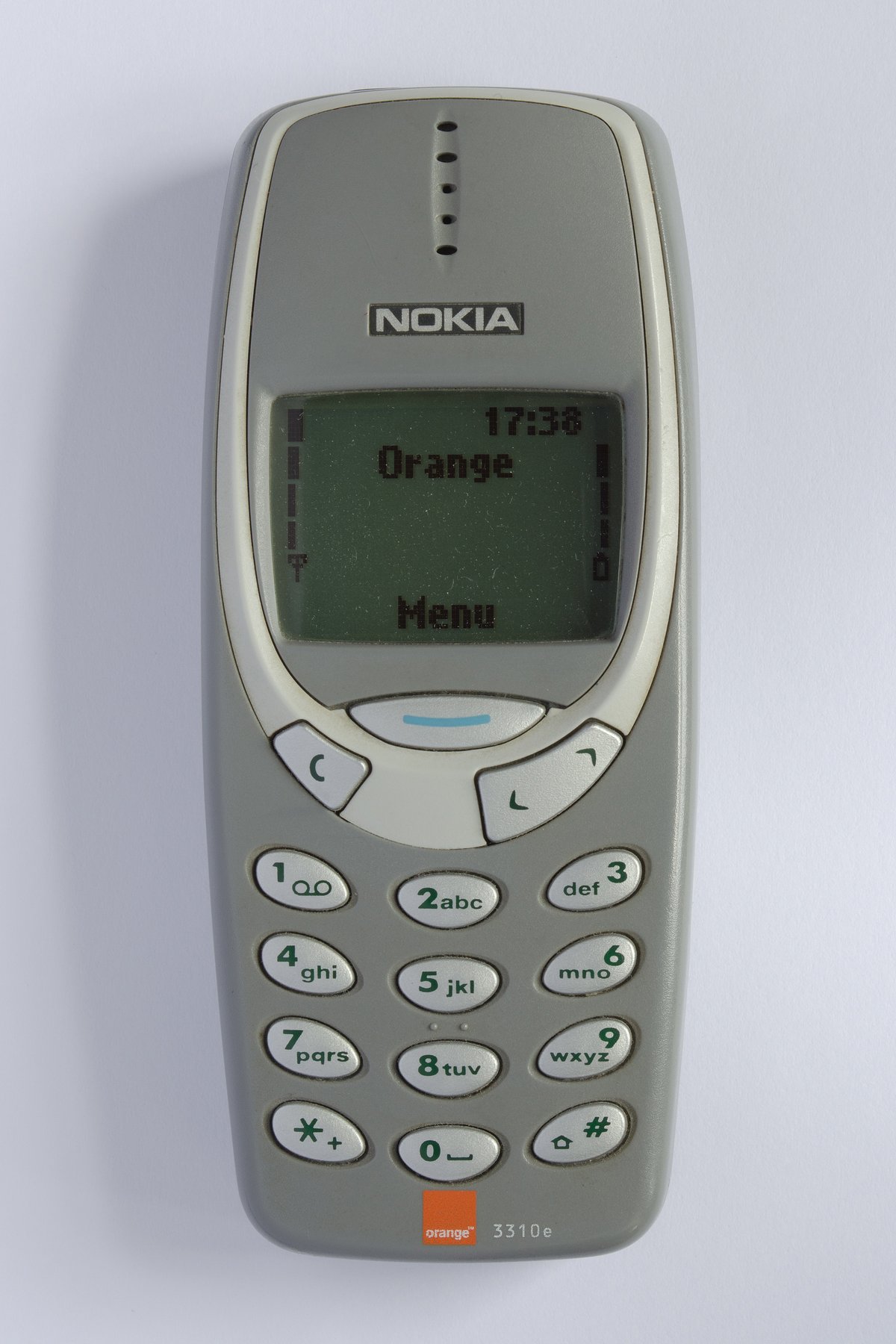
The Nokia 5110 was introduced on April 12, 1998, and it was the first Nokia with replaceable faceplates, which Nokia called “Xpress-on” covers. That started a whole craze. The Nokia 3310 was announced on September 1, 2000, and it’s one of the most successful phones ever made, with 126 million sold. It had Snake II, the game everybody played in class, and a battery that seemed to last a week.
And it would not die. Drop it, kick it, throw it across the room, and the back and battery would pop off, you’d snap it all back together, and it turned right on. The 3310’s toughness turned into a running internet joke, the phone that’s “indestructible.” I still have a few Nokias around the house, and I’d bet they’d still work.
Half the fun was making it yours:
- Faceplates. Swap the front and back covers for any color you wanted, clear ones, camouflage, flames, your favorite team.
- Light-up antennas. Aftermarket antennas and stickers that flashed when a call came in. Every mall kiosk sold them.
- Ringtones. More on those in a second.

Ringtones: the soundtrack of everybody’s pocket
For a few years there, your ringtone said as much about you as your MySpace song. And there’s a whole history to them.
Monophonic. The first ringtones could only play one note at a time. They beeped out a tune like a little music box. On a lot of Nokias, you could even type in your own tune note by note with the phone’s built-in composer, using the keypad, and Nokia had a text format for sending ringtones to other Nokia phones by text message. Some people got really good at punching in their favorite songs from memory or from codes printed in magazines and posted online.
Polyphonic. Then phones learned to play several notes at once, more like a little synthesizer, so ringtones started sounding like real songs. The sound chips that made it possible showed up in 1999, and the first phone with the popular miniBAE software synth, from Thomas Dolby’s company Beatnik, was the Nokia 3510 in 2002.
Real songs. After that came “truetones” (also called realtones), actual clips of recorded songs. The first truetone service started in Japan in December 2002.
The money. Ringtones turned into a huge business. The first downloadable ringtone service started in Finland in 1998, and by 2004 digital ringtones were bringing in up to $4 billion a year worldwide. If you watched TV in the mid-2000s, you remember the endless ads where you texted a code to get a ringtone, and maybe got signed up for a monthly subscription you didn’t know about. The market dropped off steeply by the end of the decade, once smartphones made it easy to make your own.
Ringback tones. Then carriers came up with a way to choose what your callers heard while they waited for you to pick up. Instead of the normal ringing, they’d hear a song you picked. Verizon Wireless was the first national U.S. carrier to offer it, in 2004.
Making our own. Here’s my part of the story. A buddy and I bought ringtone-making software and started making custom ringtones for people. Pick a song, cut out the best part, get it onto their phone, and suddenly their phone was the coolest one in the room. It was a lot of fun, and people loved it.
The answering machine message, and trying to sound cool
Before voicemail on your cell, there was the answering machine on the kitchen counter, with a little cassette tape, a blinking red light and a greeting you recorded yourself.
And that greeting was a big deal. Plenty of people kept it simple: “You’ve reached the Smiths, leave a message after the beep.” But a lot of us went all out. The classic move was holding the phone up to the stereo and recording your greeting over a song playing in the background, talking in your coolest, smoothest radio-DJ voice. Some people did a whole little skit. Some people started with “Hello?” and paused just long enough for you to start talking before saying “Ha, gotcha, leave a message.” Everybody fell for that at least once.
When cell phones took over, the same thing moved to voicemail greetings. Same song in the background, same too-cool voice, now on your own personal phone. Looking back, they’re hilarious. If anybody out there still has an old answering machine tape with one of these on it, you’ve got a treasure.
Why your speakers buzzed right before the phone rang
Here’s one every ’90s and 2000s kid remembers, and if you were on a GSM carrier like I was (Cingular, which became AT&T, and I stayed with AT&T until a few years ago), you heard it all the time. You’d be at the computer with your phone sitting next to the speakers, and all of a sudden the speakers would go dit-dit-dit, dit-dit-dit, bzzzt. A couple of seconds later, your phone would ring. It was basically a warning that a call or text was coming.
That buzz came from how GSM phones (the digital “2G” system many carriers used) talked to the tower. GSM split each radio channel into eight time slots so several phones could share it, and each phone transmitted in short, powerful bursts in its own slot, about 217 times a second. When a call or text was coming in, the phone woke up and started talking to the tower in those bursts before it ever rang.
The bursts themselves were radio waves, far too high-pitched to hear. But the cheap, unshielded wires in computer speakers acted like a little antenna and picked them up, and the electronics in the speaker’s amplifier turned the on-off pattern of those bursts into an audible signal. Since the bursts repeated about 217 times a second, which is right in the range of human hearing, you heard that rhythmic buzz.
Modern 4G and 5G phones send their signals in a way that doesn’t create those sharp pulses, which is why your speakers don’t do it anymore. With the old 2G networks shut down in the U.S., that buzz is pretty much history.
The Motorola RAZR: thin was in
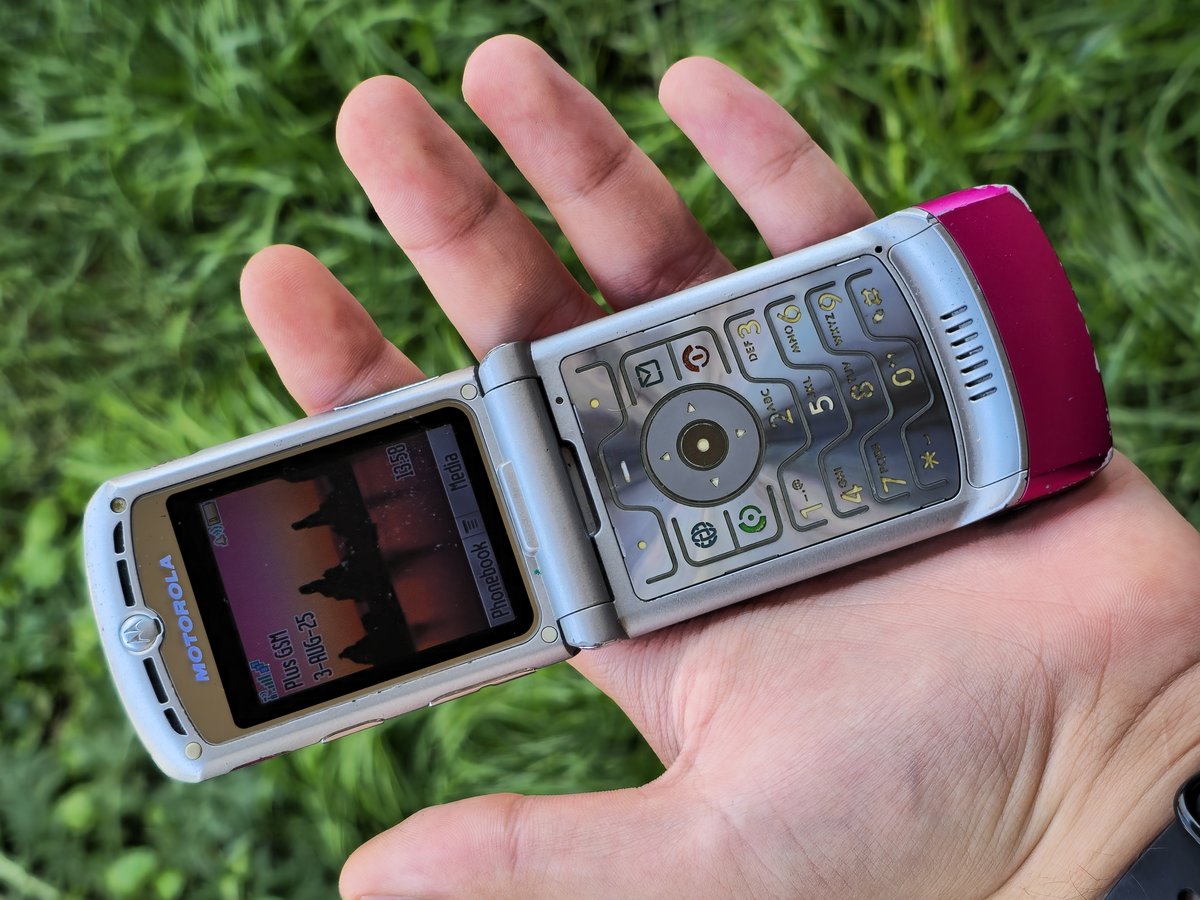
Then flip phones got cool. Motorola introduced the RAZR V3 in 2004, and it became wildly popular. It was super thin, made of metal, with a glowing keypad, and it snapped shut with the most satisfying click in phone history. It came in colors like pink, too, and for a few years it seemed like everybody had one. Motorola followed it with more versions, and with the Razr2 in 2007.

BlackBerry: the “CrackBerry”
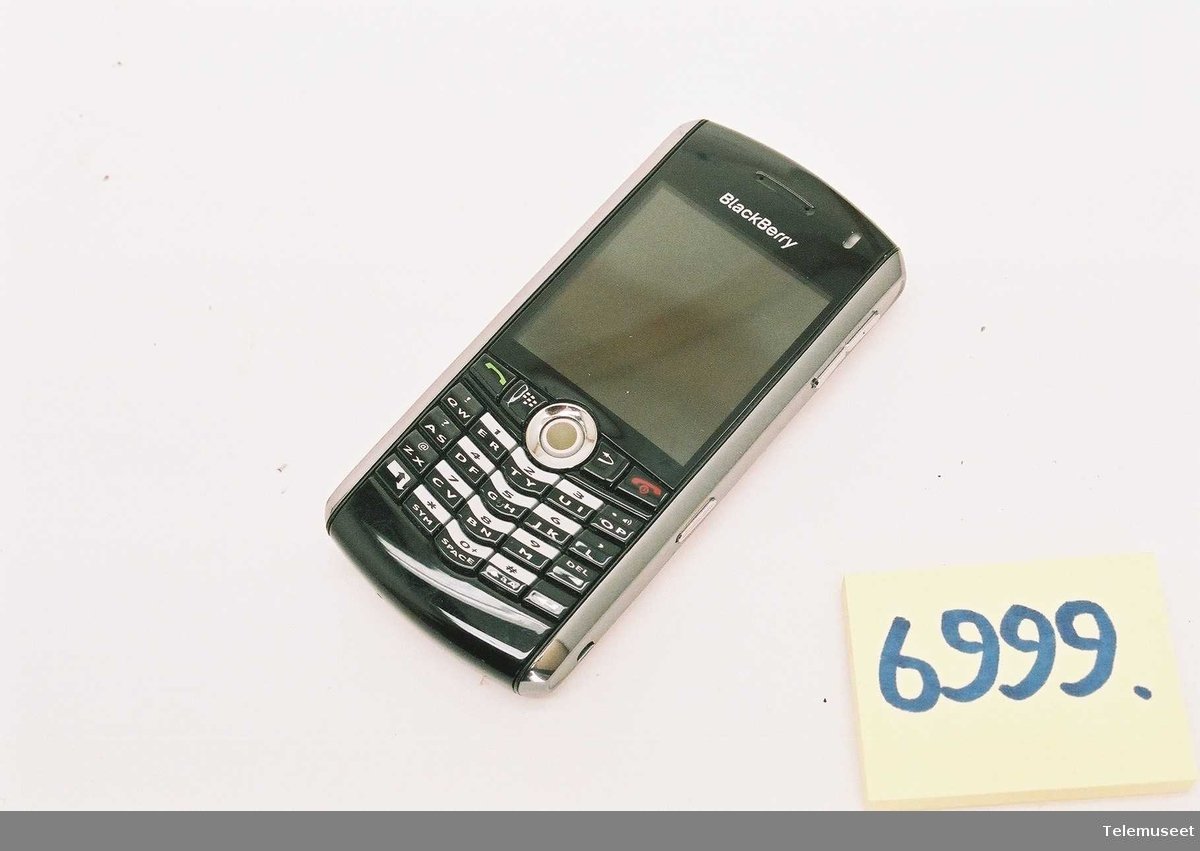
While teenagers had RAZRs, their parents’ bosses had BlackBerrys. The Canadian company Research In Motion launched the first BlackBerry in 1999, and it was actually a two-way pager that could send and receive email. The first BlackBerry phone, the 5810, came in 2002.
BlackBerry became famous for “push” email (your messages just showed up, instead of you checking for them), its tiny thumb keyboard and its security, which made it the phone of choice for businesses and the U.S. government. People got so hooked on it that it got the nickname “CrackBerry,” which Webster’s New World College Dictionary recognized as a word in 2006. BlackBerry Messenger, or BBM, was its own little social network.

The iPhone changes everything
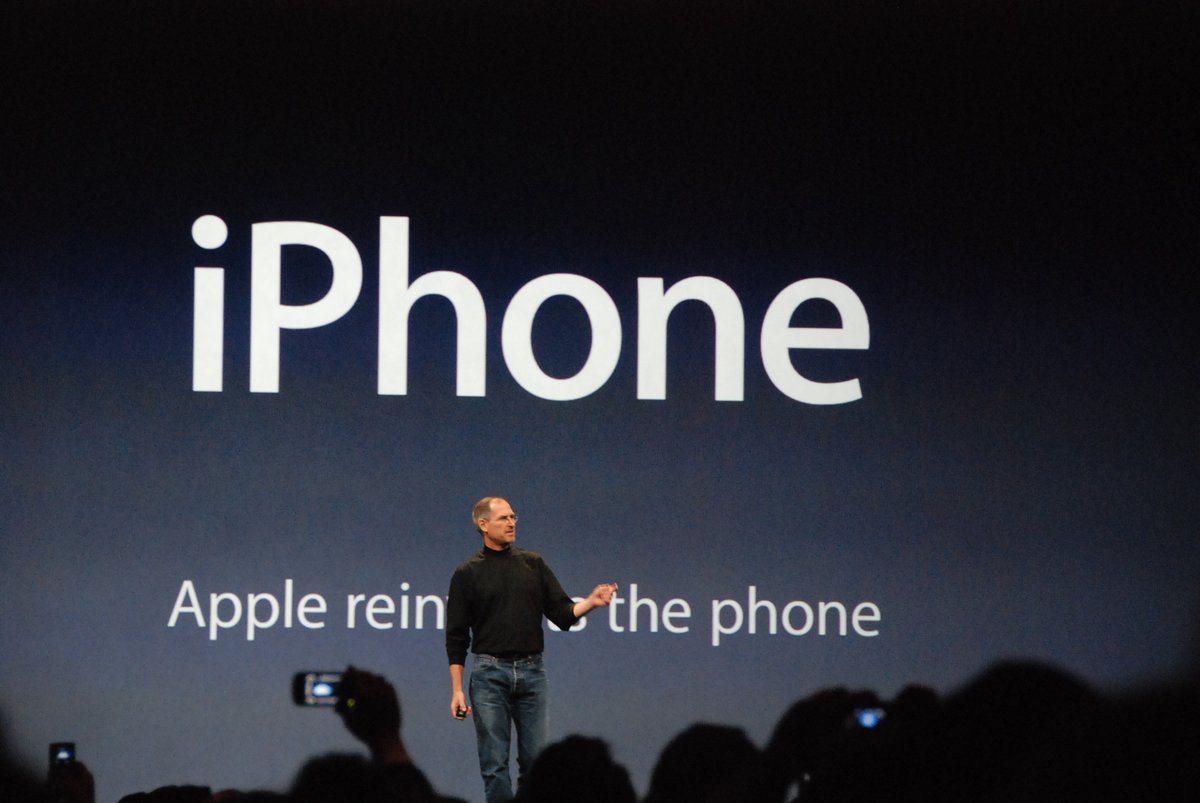
Steve Jobs unveiled the iPhone at Macworld on January 9, 2007, and it went on sale in the U.S. on June 29, 2007. No physical keyboard, no stylus, just a big touchscreen you used with your finger, plus a real web browser. Plenty of people laughed at it at first, especially BlackBerry fans who couldn’t imagine typing on glass. It became Apple’s most successful product.
And here’s a thing people forget: for the first few years, the iPhone lived through iTunes on your computer. You plugged it in with a cable to set it up, to add music, to back it up and to update it. Your whole music library, all those ripped CDs and old MP3s, went through iTunes to get onto your phone. It wasn’t until 2011, with iOS 5, that the iPhone stopped depending on a computer. Later on, Apple replaced iTunes on the Mac with separate Music, Podcasts and TV apps in 2019.

Looking back: a simpler, happier time
When I add it all up, it’s wild how much of what we do on our phones today we were already doing back then, just in pieces. Chat rooms became group chats. Away messages became status updates. MySpace pages became profiles. Napster became Spotify. And the Nokia that could survive a fall down the stairs became a glass slab we baby in a case.
But it felt different. You got online, talked to your friends, and then you logged off and went outside. Nobody was posting everything. A burned CD for a friend took an evening and meant something. A custom ringtone was a gift. Your answering machine greeting was your one shot at being cool for anybody who called the house.
It was a simpler time, and honestly, I think it was a happier one. If you’ve still got a binder of burned CDs in the closet, a Nokia in a drawer, an old answering machine tape or a hard drive full of “track 01 (2).mp3,” hang on to them. That’s a piece of history right there.
From https://www.djgaston.com/chat-music-phones-before-iphone/ · Updated October 22, 2026