I started out on a 28.8k modem back when everybody else had 14.4k, and my friends thought I had alien technology. Then 56k came out and blew my mind, lol. Here’s what getting online was like before broadband, from the dial-up screech to the search engines, browsers and websites we all grew up on.

- The Internet Archive’s Wayback Machine (web.archive.org), which has saved copies of many ’90s websites, including early Yahoo, Google and YouTube pages
- “Me at the zoo,” the very first YouTube video (April 23, 2005), still up on YouTube
- Any search for “dial-up modem sound,” if you want to hear the handshake again
Tying up the phone line
Before Wi-Fi, before “the internet is down,” there was “Get off the internet, I need to use the phone!”
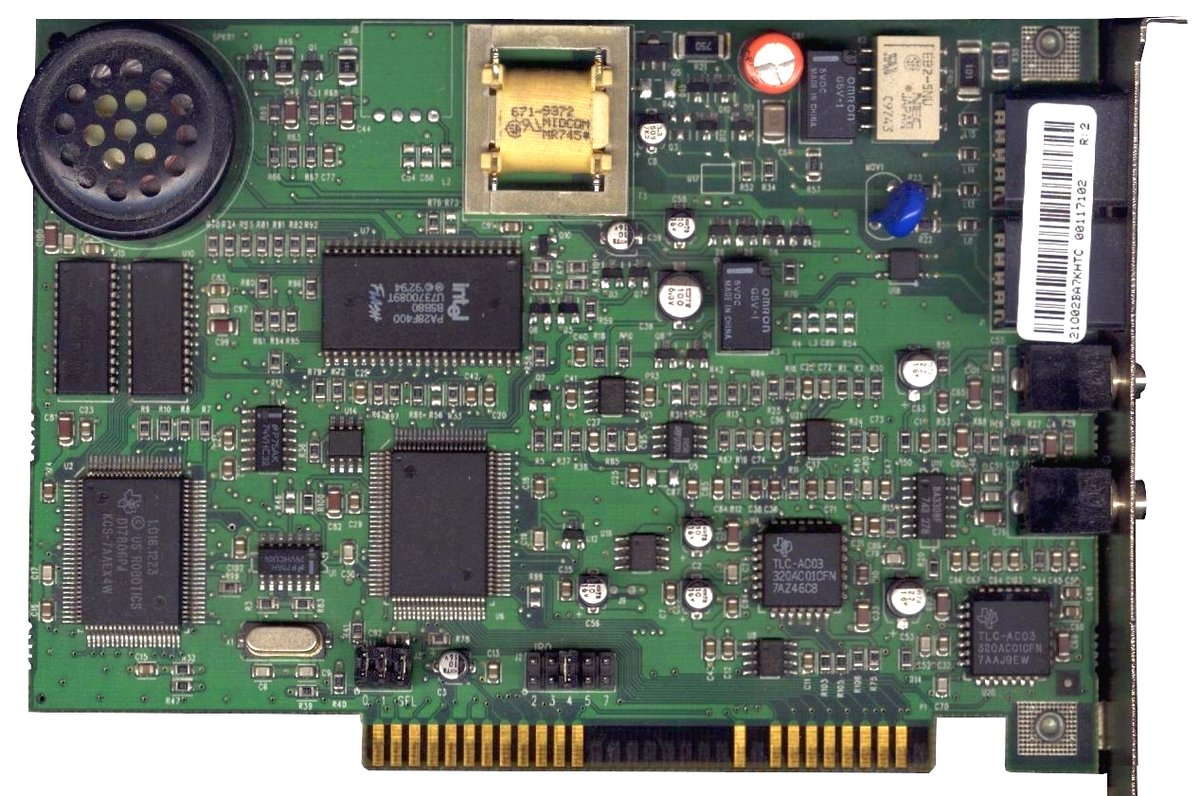
Dial-up internet used your regular home phone line. Your computer’s modem literally called a phone number, and the modem on the other end answered. While you were online, the line was busy. Nobody could call in, nobody could call out, and if somebody in the house picked up the phone, you got kicked off (and they got an earful of noise). A lot of families ended up getting a second phone line just for the computer.
This post is the story of how the web looked from that side of the phone cord, from the services and local providers we dialed into, to the search engines and browsers we used, to how some of today’s biggest sites got their start.
The dial-up handshake: what that screech actually was
Everyone who was online in the ’90s can hear it right now in their head. The dial tone, the beeps of the number dialing, a ring, and then that chaotic mess of whistles, chirps, bongs and static before everything went quiet and you were connected.
It sounded like chaos, but it was two modems having a very organized conversation. Phone lines were built to carry sound, so modems had to talk in sound. Here’s roughly what you were hearing on a 56k modem:
- Dial tone and dialing. The modem picks up the line, hears the dial tone, and dials the provider’s number with ordinary touch-tone beeps.
- Ringing. The phone rings on the other end, at your internet provider.
- The answer tone. The provider’s modem answers with a high, steady 2100 Hz whistle. Its little clicks and phase flips tell the phone network to switch off its echo suppressors and echo cancellers, equipment that was great for voice calls but would wreck two modems trying to talk at the same time.
- Swapping menus. A quick, bubbly burst of chirps. The two modems trade lists of which standards they support and agree on the best one they have in common.
- Testing the line. The modems send test tones back and forth, including a chord of many tones at once, to measure how much the line weakens each frequency and how long signals take to travel.
- Training. The loud hiss. The modems send scrambled data so each one can tune itself to cancel out the noise and quirks of your particular phone line.
- Silence. Once they’ve settled on a speed, the modem’s speaker shuts off. The data is still flowing, and it sounds like hiss too, but you don’t hear it anymore. You’re online.
That’s also why the connection speed could change from day to day. A noisy line, or living far from the phone company’s office, meant the modems settled on something slower.
14.4k, 28.8k, 56k: my “alien technology” story
Modem speeds were measured in bits per second, and in the early ’90s the common speed was 14,400 bits per second, or “14.4k.” That came from a standard called V.32bis. When V.32bis modems got cheap, everybody got one.
The next big step was 28,800 bits per second, “28.8k,” which became an official international standard called V.34 in 1994. A revision in 1996 bumped it to 33.6k.
And that’s where I came in. I got a 28.8k modem when everybody else I knew was still on 14.4k, and my buddies honestly thought I had alien technology. Twice the speed meant pictures loaded noticeably faster, and downloads (a shareware game, a new Winamp skin, a song) took half the time. Being the guy with the fast modem was a big deal.
Then came 56k, and that was mind-blowing. The first 56k modems showed up in 1997, but there were two competing, incompatible versions, U.S. Robotics’ “X2” and Rockwell’s “K56flex,” and your modem only hit 56k if your provider used the same kind. On September 15, 1998, the International Telecommunication Union formally adopted a single standard, V.90, and most existing modems could be upgraded to it with a firmware update.
The fine print: 56k was only for downloads. Uploads topped out at 33.6k, and real-world connections usually landed in the 40s or low 50s. Still felt like a rocket ship. Dial-up modems were never going to get much faster than that, because the phone network’s digital lines just didn’t have room for more.
Before the web: CompuServe, Prodigy and AOL
For a lot of people, the first stop online wasn’t really the internet at all. It was an online service, a private, walled-off world with its own email, news, message boards, chat and games.
CompuServe was the first big one. It opened in 1969 in Columbus, Ohio, as a timesharing service for businesses, and started selling after-hours access to the public around 1979. It was a pioneer of online chat with its CB Simulator, launched on February 21, 1980, as the first public, commercial multi-user chat program. CompuServe also gave us the GIF image format. During the 1980s it was the king of the online services.
America Online came out of an earlier service called Quantum Link, which went online in 1985. It got the America Online name in 1989, and by 1995 it had about three million active users, passing CompuServe and Prodigy to become the biggest online service. As of 2000 it was serving more than 20 million customers.

AOL CDs: the free coasters in every mailbox
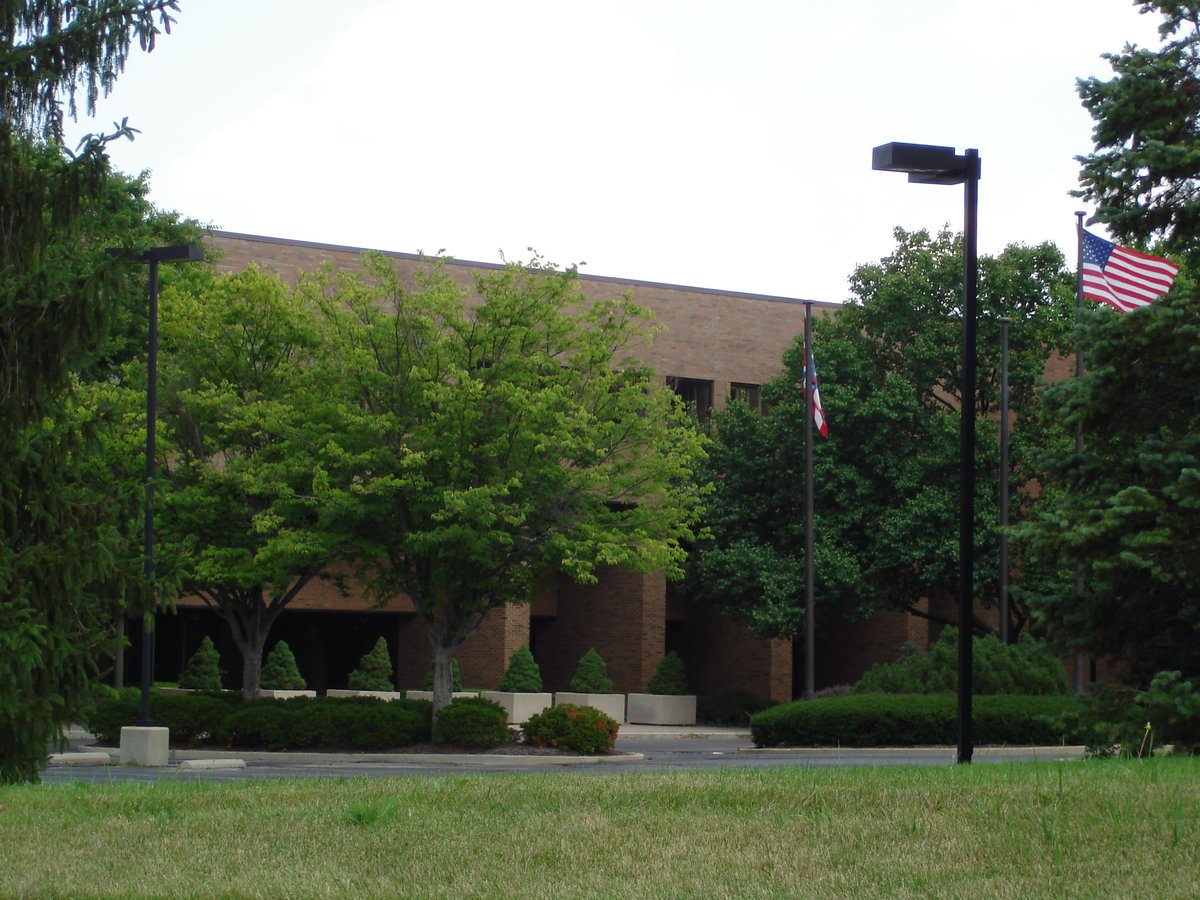
If you were alive in the ’90s, you got AOL discs. In the mail, in magazines, in cereal boxes, at the checkout counter. First on floppy disks, then CDs, each one promising a bunch of free hours.
It was a deliberate “carpet bombing” marketing campaign run by AOL’s marketing chief, Jan Brandt, to put trial discs in as many places as possible. At one point, half of all the CDs being produced worldwide had an AOL logo on them. People used them as coasters, made art out of them and hung them from rearview mirrors. AOL kept mailing discs until the mid-2000s.
And AOL dial-up hung on far longer than most people realize. AOL officially shut down its dial-up service on September 30, 2025.

Every town had its own internet provider
AOL and CompuServe weren’t the only way on. Through the late ’90s, almost every town had its own little internet service provider (ISP). You’d sign up at a local office, or the computer store, and they’d hand you a dial-up number, a username, and an email address with the provider’s name after the @ sign. That email address was a big deal. It was your identity online, and it was tied to that one small company.
There were a lot of them. Dial-up ISPs were cheap to start, since all you really needed was a connection to the internet backbone, phone lines and a rack of modems. Trade estimates counted about 1,400 ISPs in the U.S. in 1995, around 6,000 by early 1999 according to Boardwatch magazine, and more than 7,100 in North America by early 2000. Many were mom-and-pop operations run by people like computer store owners, retirees and local tech guys. The big names still had most of the customers, though: in 1999, the top ten ISPs had about 80 percent of the market.
So what happened to them? You guessed right. Two things:
- Consolidation. Even in the late ’90s, ISPs were merging, selling out and buying each other up. Plenty of people woke up one day with a new provider and a new email address because their little ISP got bought.
- Broadband. The cable TV companies and the phone companies already had wires running to your house, and they could use them for far faster connections through cable modems and DSL. Small ISPs couldn’t afford to wire neighborhoods themselves. As early as 1999, analysts were saying broadband would squeeze out the little guys, and that’s what happened.
The numbers tell the story. Around 2000, about 30 percent of the U.S. population used dial-up. A 2008 Pew Research Center study found only 10 percent of U.S. adults still did, and by the early 2010s it was down to about 3 percent. A few small ISPs survived by moving into wireless or fiber, but most of those local providers are long gone, and so are a lot of our first email addresses.

Mosaic and Netscape Navigator: the web gets pictures
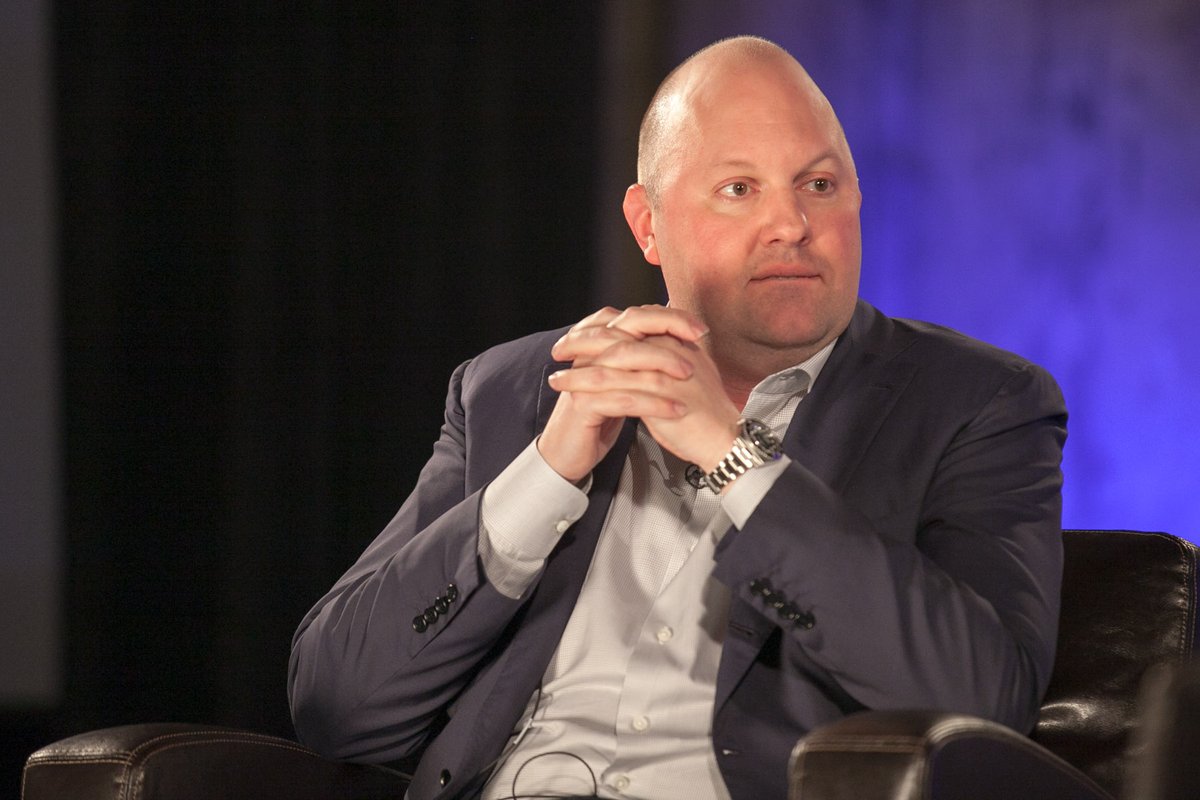
The World Wide Web started out as mostly text. What made it click for regular people was a browser called NCSA Mosaic, released in 1993 by a team at the University of Illinois’ National Center for Supercomputing Applications. It showed pictures and text together on the same page, and by late 1994 it was well on its way to becoming the standard way to see the web.
Mosaic’s project leader, Marc Andreessen, then co-founded Netscape Communications with Jim Clark. On October 13, 1994, Netscape announced it would make its browser, Netscape Navigator, free for non-commercial users, and version 1.0 came out that December. One of its clever tricks was showing a page while it downloaded, so text and pictures appeared bit by bit instead of making you stare at a blank screen. On dial-up, that mattered a lot.
Navigator took over the young web fast. If you remember the big “N” logo with the shooting stars, or the little ship’s wheel, you were a Netscape user.

The first browser war
Microsoft was late to the web, but it caught up fast. It licensed browser code from a company called Spyglass, which had licensed Mosaic, and in 1995 it released Internet Explorer as part of the Plus! add-on pack for Windows 95. Internet Explorer 2 followed that November, and later versions came free with Windows itself.
That was the key. Netscape cost money for businesses and had to be downloaded or bought, and Internet Explorer was already sitting on your desktop when you turned on a new PC. Historians call the fight between them, roughly 1995 to 2001, the “first browser war.” It had some great moments. When Microsoft released IE 4, its staff left a giant “e” logo on Netscape’s lawn. Netscape employees knocked it over and put their Mozilla dinosaur mascot on top, holding a sign reading “Netscape 72, Microsoft 18,” their market share at the time.
But bundling won. Microsoft’s tactics became part of the big United States v. Microsoft antitrust case in 1998, and by 2003 Internet Explorer had a peak of about 95 percent of the browser market. AOL bought Netscape in 1998 for $4.2 billion.
Netscape’s last move turned out to be its most important one. It released its browser’s source code to the public, and the open-source project that grew from it, Mozilla, eventually produced Firefox, released November 9, 2004. Firefox, and then Google’s Chrome in 2008, took the web back from Internet Explorer in what’s called the second browser war.
Finding anything: Yahoo, WebCrawler, Lycos, Excite and AltaVista
In the early web, finding things was hard. There was no Google. Instead, there were a handful of search engines and directories, and everybody had a favorite.
Yahoo. Two Stanford grad students, Jerry Yang and David Filo, started keeping a list of their favorite websites. In March 1994, “Jerry and David’s Guide to the World Wide Web” was renamed Yahoo! It was a directory, sorted by people into categories and subcategories, more like a giant phone book than a search engine. For years, Yahoo was the front door of the internet.


WebCrawler. Brian Pinkerton started WebCrawler at the University of Washington in January 1994, and it launched on April 21, 1994, with more than 4,000 websites in its database. It was the first web search engine to search the full text of pages, not just titles. In November 1994 it served its millionth search.
Lycos. Lycos began in May 1994 as a research project by Michael Loren Mauldin at Carnegie Mellon University. The name comes from Lycosidae, the Latin name for the wolf spider family, which fit a program that crawled the web.
Excite. Six Stanford friends founded a company called Architext in June 1993, and it launched as Excite in October 1995. It grew into a big web portal and later merged with the cable internet company @Home in a deal that created Excite@Home, which went bankrupt in 2001.
AltaVista. Researchers at Digital Equipment Corporation (DEC) built AltaVista partly to show off DEC’s powerful computers. It launched in December 1995 as the first searchable full-text index of the web with Boolean search, meaning you could use words like AND, OR and NOT. For a while, it was the search engine for people who knew what they were doing.
There were others too, like Infoseek, HotBot and Ask Jeeves, where you typed your question in plain English to a cartoon butler. The common problem was that results were often junk. Sites stuffed hidden keywords onto pages to show up for everything, and you’d often click through pages of results to find what you wanted.
Then Google showed up
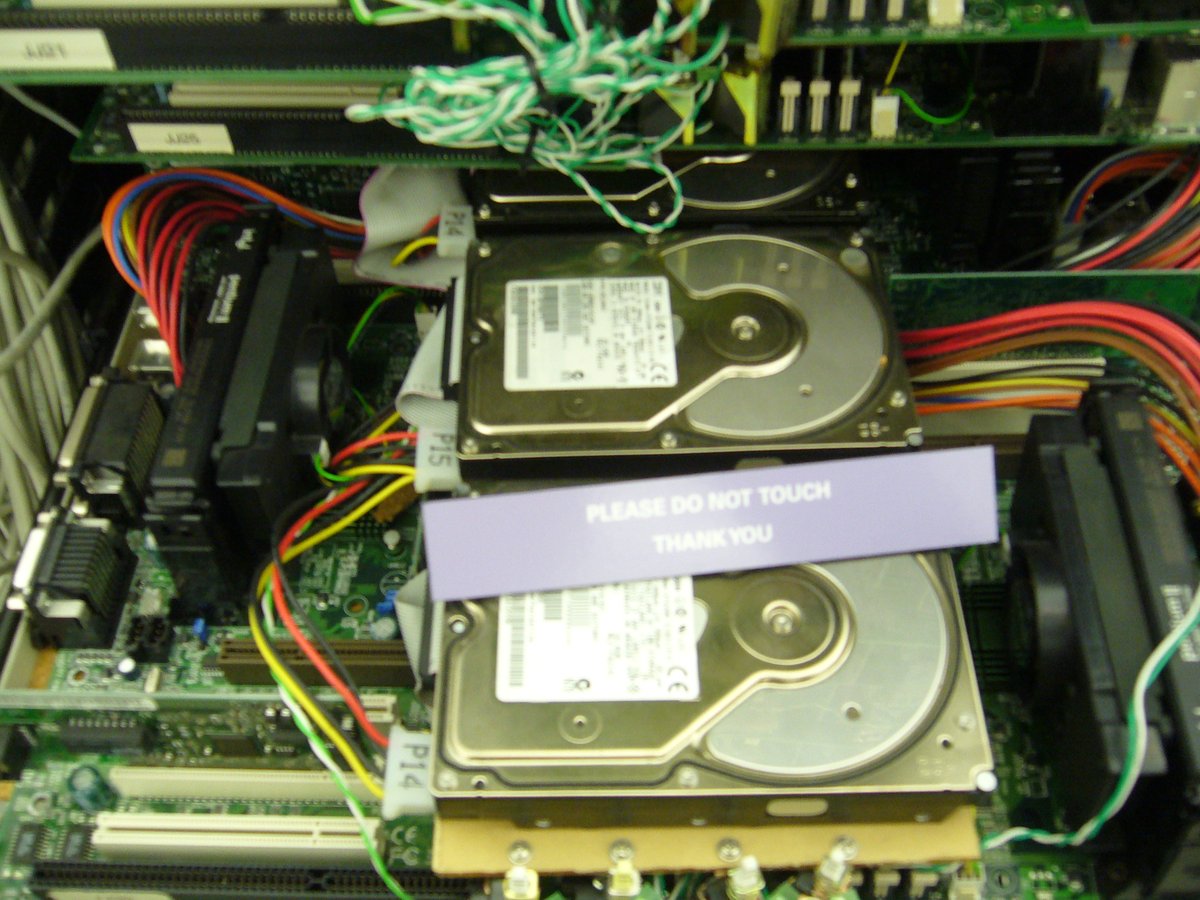
At Stanford, two more grad students, Larry Page and Sergey Brin, were working on a research project nicknamed BackRub. The name came from how it worked: it looked at the links pointing back to a page to judge how important that page was. The more good sites linked to you, the higher you ranked. That idea became PageRank.
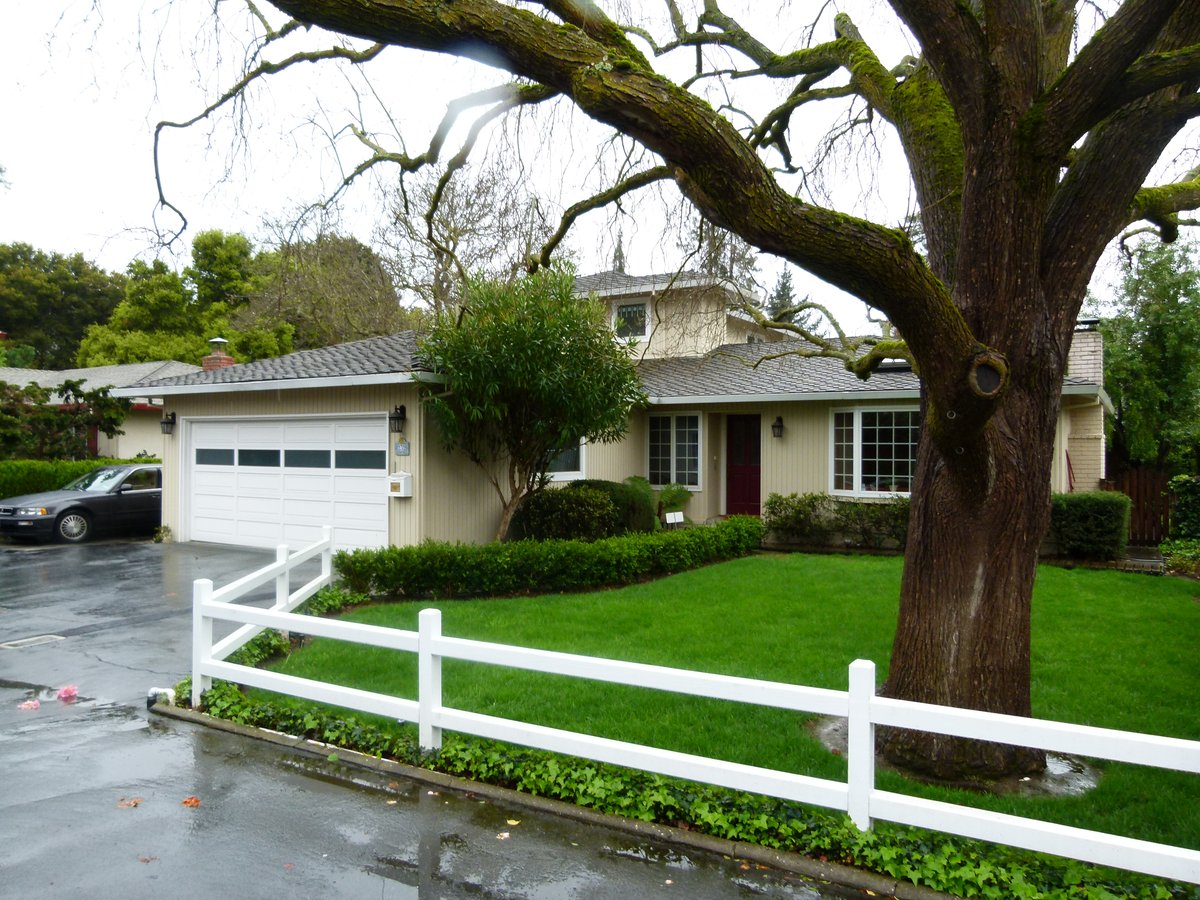
Google was founded in 1998. In August 1998, Sun Microsystems co-founder Andy Bechtolsheim invested $100,000, and Page and Brin set up shop in their friend Susan Wojcicki’s garage in Menlo Park. (Wojcicki later ran YouTube.) In June 1999, Google announced $25 million in funding from the big venture capital firms.
What I remember is how different it felt. A plain white page with a search box, no portal clutter, no news, weather and horoscopes, and the first result was usually the right one. Within a few years, “Google it” was a verb, and most of the search engines above were either gone or barely hanging on.


How the big sites got their start
A lot of the websites that run our lives today started as something smaller, or a lot weirder.
Amazon started as “Cadabra.” Jeff Bezos founded the company on July 5, 1994, under the name Cadabra, after moving from New York to Bellevue, Washington. The plan was an online bookstore. It became Amazon, and then “The Everything Store.”
eBay started as AuctionWeb, and its first sale was a broken laser pointer. Pierre Omidyar started AuctionWeb on September 3, 1995, as a hobby. One of its first sales was a broken laser pointer that went for $14. Omidyar contacted the buyer to make sure he understood it was broken, and the buyer explained he collected broken laser pointers. The site became eBay in September 1997, named after Omidyar’s consulting firm, Echo Bay Technology Group.
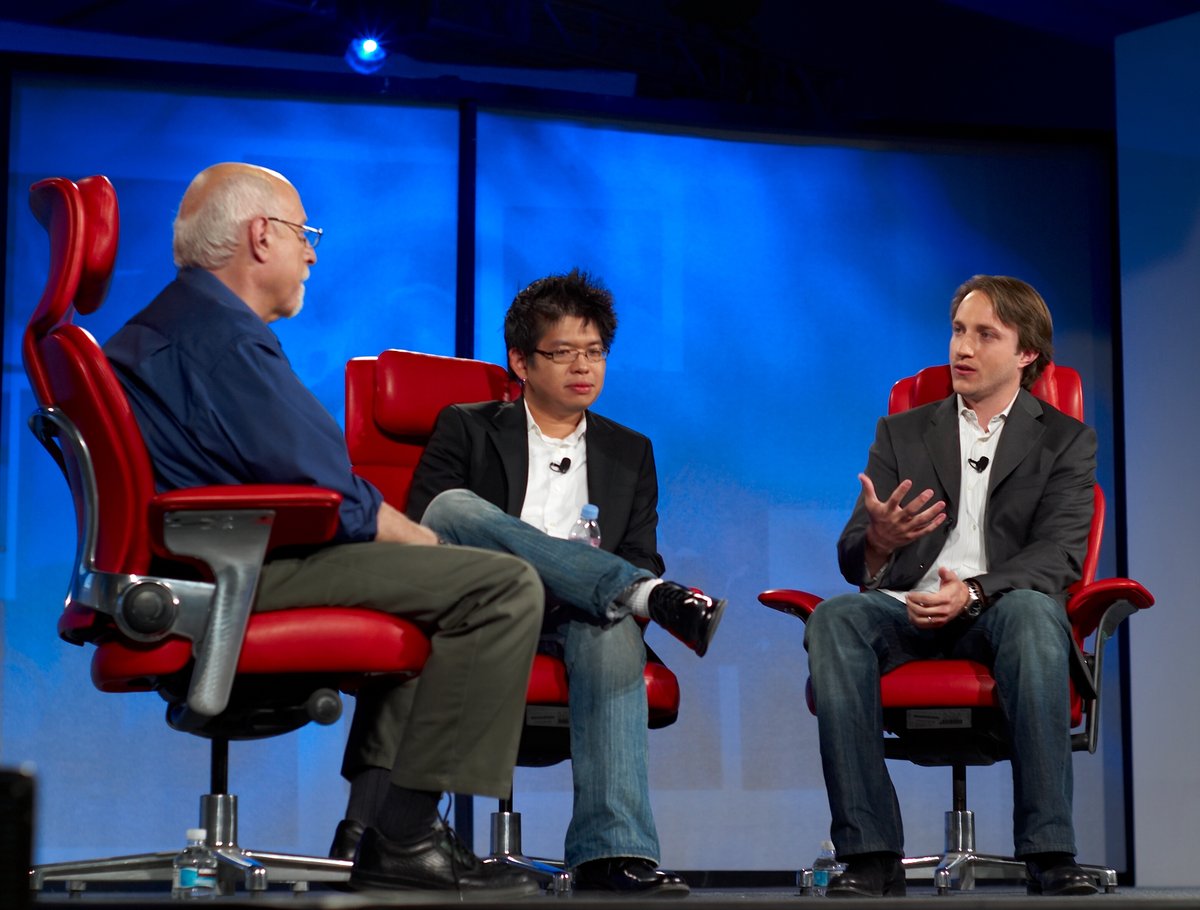
YouTube started as a video dating site. This one’s true. Chad Hurley, Steve Chen and Jawed Karim, three former PayPal employees, founded YouTube on February 14, 2005, which is Valentine’s Day. Hurley and Chen have said the original idea was a video version of an online dating service, influenced by the site Hot or Not. They couldn’t find enough people uploading dating videos, so they opened it up to any kind of video. The very first upload, on April 23, 2005, was “Me at the zoo,” 18 seconds of Karim at the San Diego Zoo talking about elephants, and it’s still up today. Google bought YouTube in 2006.
GeoCities let everybody build a homepage. It started in 1995 as Beverly Hills Internet, and it organized free homepages into themed “neighborhoods.” Yahoo bought it in 1999 and shut it down in 2009, though the Internet Archive saved much of it. (I wrote more about GeoCities in my guide to the internet in the 1990s.)
SixDegrees was social media before social media. Launched in 1997, SixDegrees let you list your friends and family and see how you were connected to everyone else, named after the “six degrees of separation” idea. It had about 3.5 million members at its height and shut down at the end of 2000, a few years too early. Friendster (2002), MySpace (2003) and Facebook (2004) took the idea mainstream.

What the early web felt like
A few things everyone from back then will remember:
- Watching pictures load. On a slow modem, images filled in a few lines at a time from top to bottom. You’d watch a picture slowly appear and decide halfway down whether it was worth waiting for.
- “Under construction” signs. Half the homepages on the web had a little animated construction worker or a yellow sign promising more was coming. It usually wasn’t.
- Hit counters and guestbooks. Every homepage proudly showed how many visitors it had and invited you to sign the guestbook.
- Webrings. Little banners at the bottom of fan pages with “previous” and “next” buttons, linking sites on the same subject in a big circle. That’s how you found stuff before search got good.
- Hourly limits. Early AOL plans charged by the hour, so you got on, did what you needed, and got off. Unlimited plans changed that, and then everybody’s phone line was busy all night.
- Downloads that took all night. You’d start a big download before bed, pray nobody picked up the phone, and hope it was finished in the morning.
From the phone line to always-on
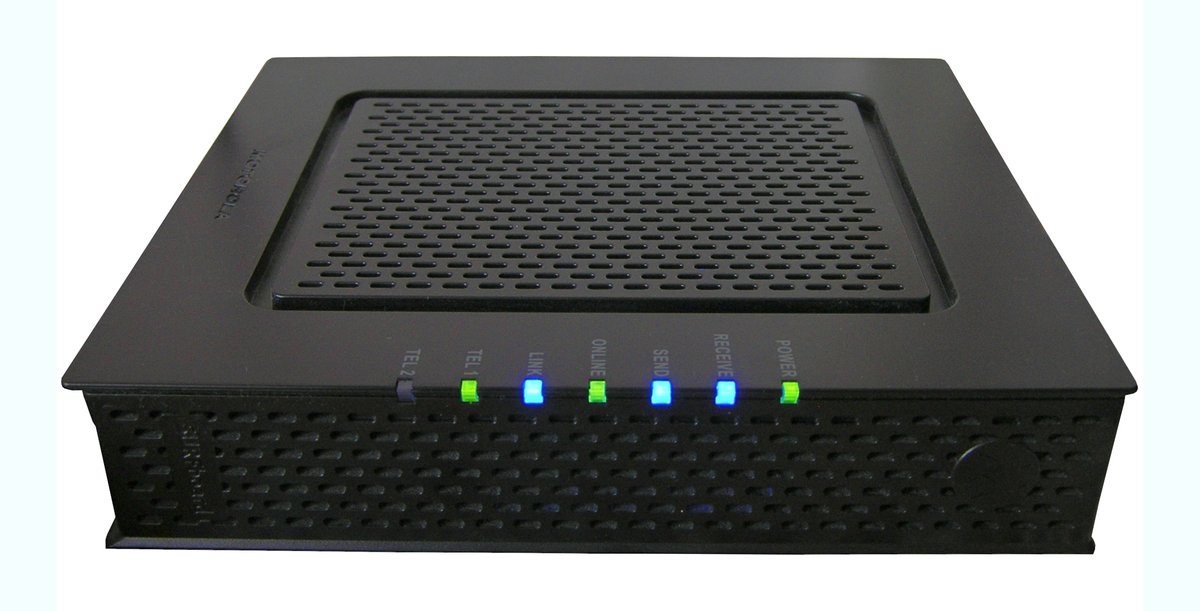
DSL had field trials around 1996, but it was expensive until the late ’90s, when the parts got cheaper. Cable internet came along at about the same time. For a few years, broadband was the thing the lucky family down the street had. By the late 2000s, it was just how you got online, and the modem screech was something you heard in a movie.
I don’t miss tying up the phone line. But I do miss a little of that early web, when every page felt like somebody’s personal project, every new site was an adventure, and a 28.8k modem was enough to make you the coolest kid you knew.
From https://www.djgaston.com/early-web-dial-up-isps/ · Updated October 22, 2026
0 Comments
1 Pingback