Keeping chickens is a lot of fun, and fresh eggs every morning sure don’t hurt.
Quick answer Check your local rules first (many towns ban roosters). Give hens a secure coop with at least 3 square feet each plus a run, or 8 to 10 square feet each if they’re kept inside. Provide one nest box per four hens, roost space, clean water daily, and a complete layer feed (about 16% protein) once they’re about 18 weeks old. Wash your hands after every visit.
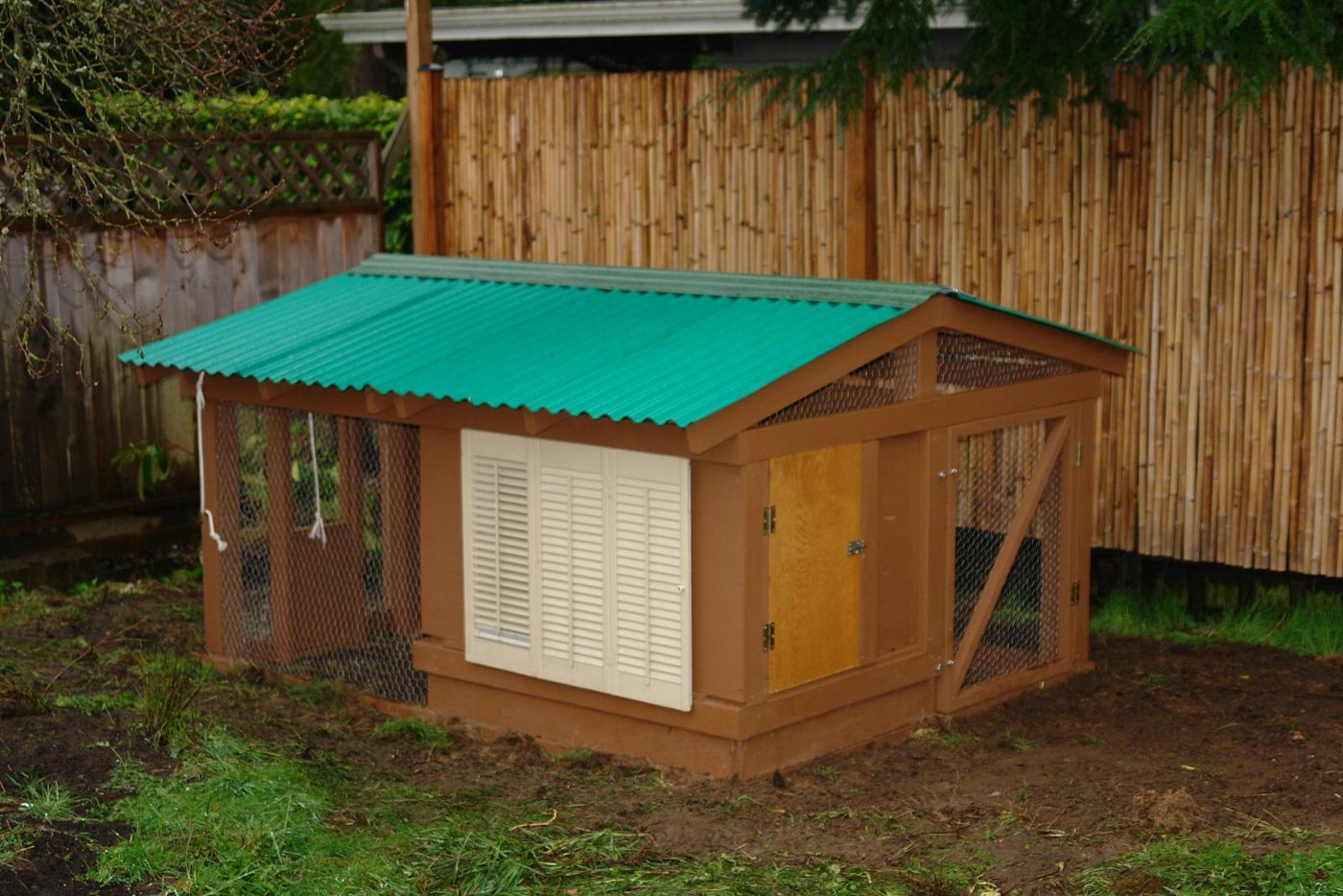
Tools & materials
- Predator-proof coop and run
- Roost bars and nest boxes
- Feeder and waterer
- Starter, grower, then layer feed
- Oyster shell and grit
- Pine shavings for bedding
- Dedicated coop shoes and work gloves
Steps
- Check the rules. Look up your city or county ordinances on chickens and roosters before you buy.
- Buy healthy birds. Get chicks from a hatchery in the USDA National Poultry Improvement Plan (NPIP). Pick birds that are bright, alert and active.
- Give them room. At least 3 square feet per bird inside the coop if they have a run, or 8 to 10 square feet per bird with no outdoor access.
- Roosts and nests. Give each bird about 6 to 8 inches of roost bar. Add one nest box (about 12 by 12 inches) for every four hens, off the floor and away from the roosts.
- Feed by age. Chicks get a starter feed (about 18 to 20% protein) for the first 6 to 8 weeks, then a grower feed. Laying hens over about 18 weeks get a complete layer feed of about 16% protein, with oyster shell and grit offered separately.
- Water every day. Clean the waterer and give fresh water daily. Going without water can stop egg production.
- Keep it clean and dry. Keep 3 to 4 inches of shavings on the floor, and remove wet litter.
- Collect eggs at least once a day, twice if you can. Throw out cracked eggs. Brush or rub dirt off with a dry cloth rather than washing warm eggs in cold water, and refrigerate them. Cook eggs until the white and yolk are firm.
- Quarantine newcomers. Keep new birds apart from your flock for at least 30 days.
- Watch for sickness. Call a poultry vet or your county extension office if birds eat or drink less, have runny droppings, sneeze or struggle to breathe, lay fewer or odd eggs, or die suddenly.
Safety: Chickens can carry Salmonella even when they look healthy. Wash hands with soap and water after touching birds, eggs, feed or anything in the coop. Keep coop shoes outside, keep birds out of the house, don’t kiss or snuggle them, and don’t let children under 5 handle chicks or chickens.