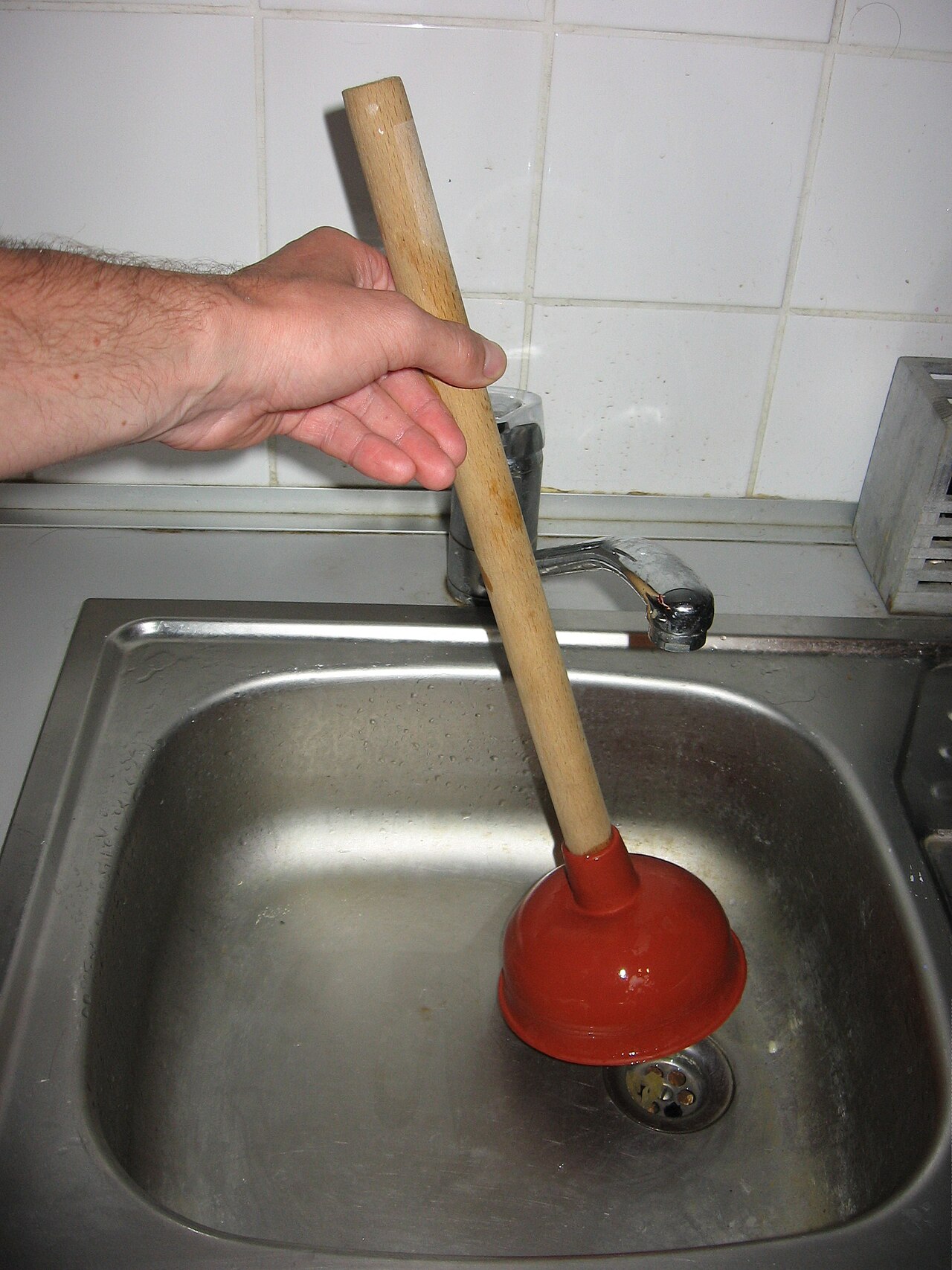
I’d rather grab a plunger than a jug of harsh chemicals. Here’s the order I’d try things in.
Quick answer Pull out any hair you can reach, then use a flat-cup sink plunger with a few inches of water. If that fails, clean the P-trap under the sink, then use a hand drain snake. Use hot tap water, not boiling, if you have plastic pipes or don’t know what you have.

Tools & materials
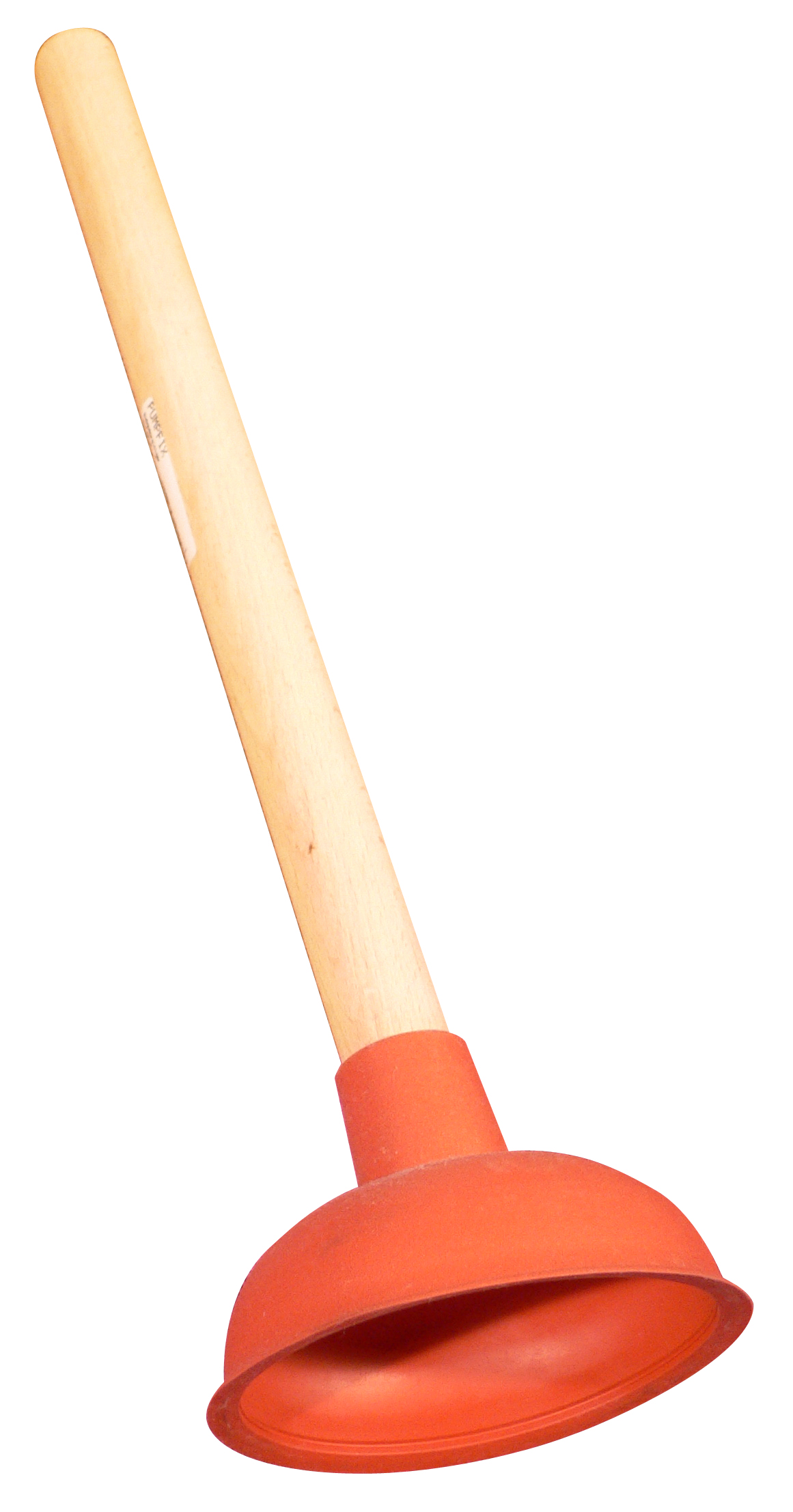
- Flat-bottom cup plunger (not the flanged toilet kind)
- Bucket and rubber gloves
- Channel-lock pliers (for the trap)
- Hand drain snake (about $25 or less)
- Wet rag
Steps
- Remove the stopper and pull out hair and gunk you can see. A cheap plastic barbed strip works well for this.
- Leave a few inches of water in the sink so the plunger can seal. Plug the overflow hole (or the other side of a double sink) with a wet rag.
- Plunge straight up and down firmly several times, then pull off quickly. Repeat a few rounds.
- Clean the trap: set a bucket under the U-shaped pipe, unscrew the two slip nuts, dump and rinse the trap, and reinstall it hand-tight plus a little.
- Snake it: feed the cable into the pipe until you feel resistance, lock it, and crank while pushing gently. Pull back slowly. You’re trying to hook the clog and bring it out, not ram it further.
- Run hot tap water for a few minutes to flush what’s left.
- For a slow (not stopped) kitchen drain, hot water can move grease. Baking soda and vinegar can freshen a drain but won’t clear a real clog.

Safety: If anyone already poured chemical drain cleaner in, do not plunge or snake it. It can splash onto skin and eyes. Tell the plumber what was used. If more than one drain backs up, the problem is likely in the main line; call a pro.