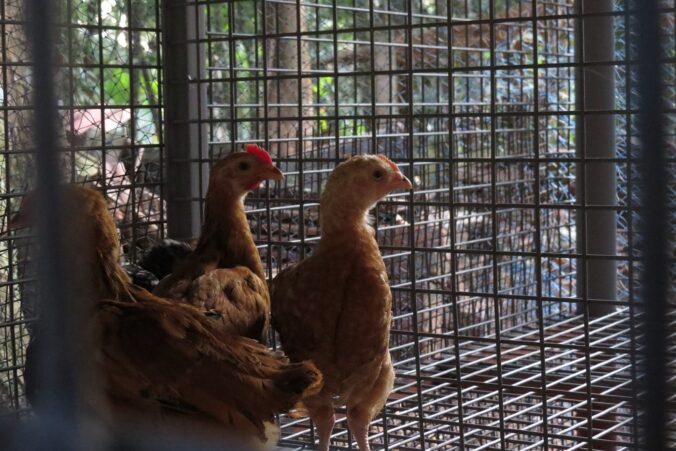
When I kept chickens, I learned fast that every predator out there wants them. Raccoons, snakes, hawks, owls, foxes, coyotes, opossums and the neighbor’s dog all see a coop as a buffet. The two things I’d tell anybody starting out: chicken wire keeps chickens in, but it doesn’t keep predators out (hardware cloth does), and put a Wi-Fi camera in or around the coop. Cameras let me stop a lot of attacks before they happened, and catch others before they got every bird. Here’s how to lock a coop down so you can actually sleep at night.
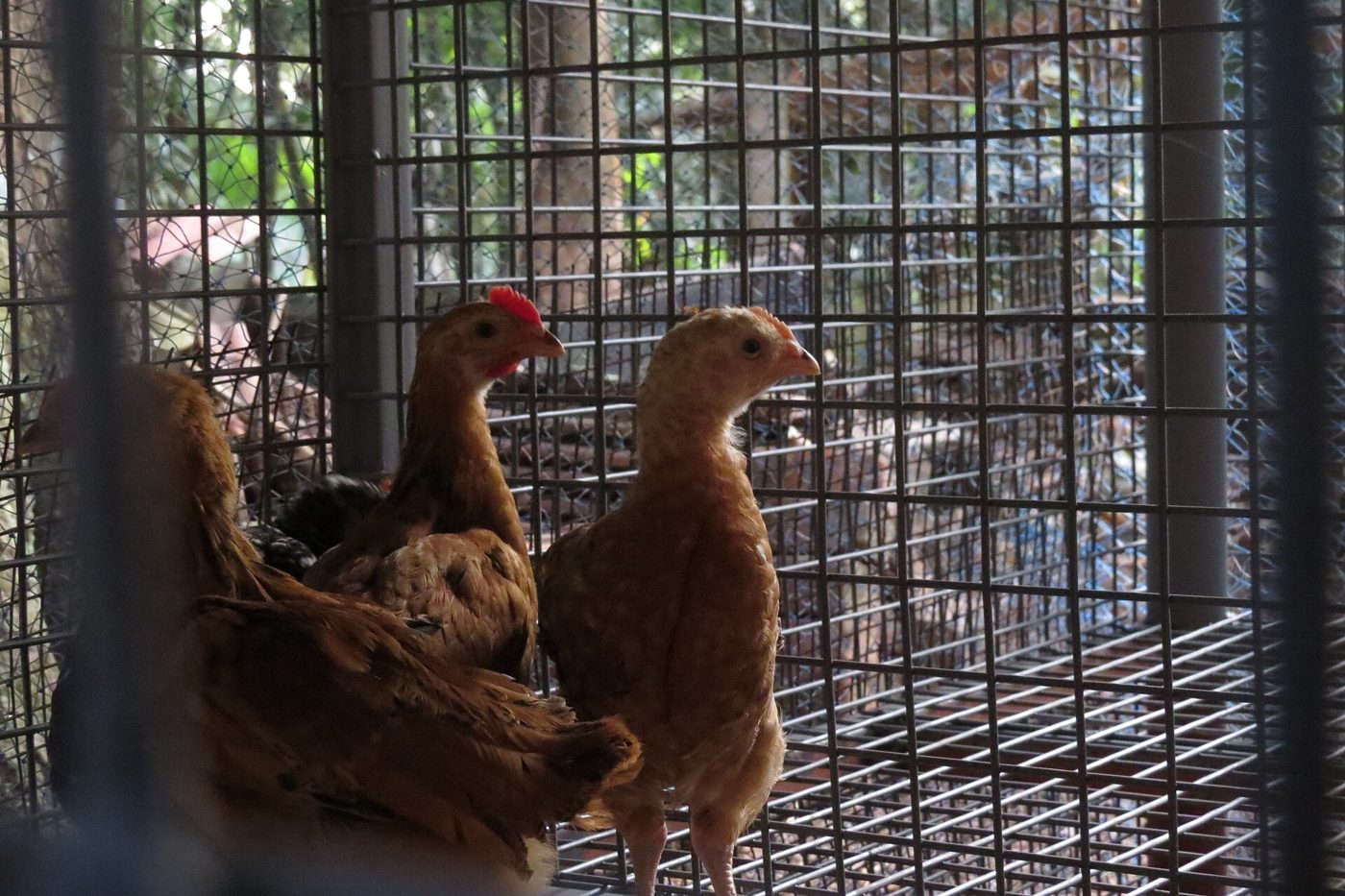

Know what you’re up against
Different predators get in different ways, so it helps to know who’s been visiting. Extension poultry specialists list these as the common ones for backyard flocks: dogs and coyotes, bobcats, house cats, foxes, raccoons, weasels, skunks, opossums, snakes (especially rat snakes), hawks and owls. The scene a predator leaves behind is often your best clue:
- Adult birds gone with little sign of a fight: usually something that can carry a chicken off, like a dog, coyote, fox, bobcat, hawk or owl. Hawks hunt by day, owls by night.
- Birds dead with the head missing: often a raccoon, hawk or owl. Raccoons will reach through wire, pull a bird’s head through the openings and eat only what fits.
- Birds killed but not eaten, bloodied: can point to a weasel.
- Bites all over, birds wounded but not eaten: often a dog.
- Eggs or young chicks vanish with no shells or mess left: very likely a snake. They swallow eggs whole.
- Eggs missing or shells left behind: skunks, rats, opossums, raccoons, snakes, even crows and blue jays.
Whatever you’re dealing with, the best long-term fix is the same: keep them from reaching the birds in the first place.
- Galvanized welded hardware cloth, 1/2-inch mesh (19 gauge is common), plus 1/4-inch mesh for vents and gaps if you have snakes
- Exterior screws and large fender washers, or roofing screws with washers
- Tin snips, gloves (cut hardware cloth is sharp) and safety glasses
- A shovel or trenching spade for the apron
- Two-step latches: barrel bolts plus spring snap clips or carabiners, or keyed padlocks
- Welded wire or sturdy netting to cover the top of the run
- Optional but worth it: a Wi-Fi camera, an automatic coop door, motion lights, and an automatic feeder and waterer
Step 1: Replace chicken wire with hardware cloth
Chicken wire (the thin twisted hex netting) is made to keep chickens from wandering off. It isn’t made to stop a predator. Raccoons can reach right through it, dogs and coyotes can tear it, and snakes slide through the holes. That’s the biggest lesson I’d pass on.
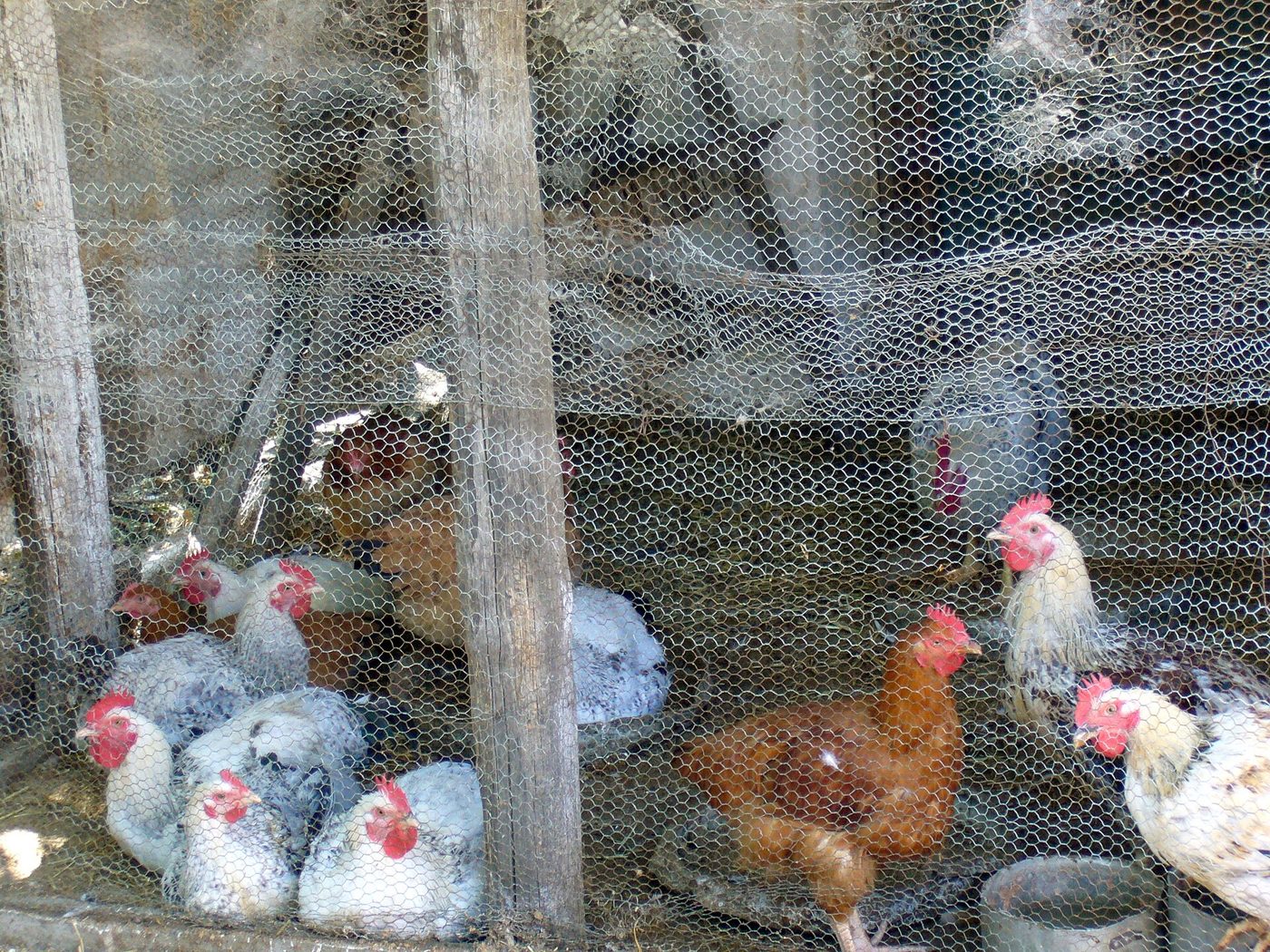

Use welded hardware cloth instead, everywhere a predator could reach the birds at night:
- Windows and vents. Coops need ventilation, so don’t seal them up. Just cover every opening with hardware cloth.
- The lower walls of the run, at least the first few feet, where raccoons and dogs work at it. Heavier welded wire with small openings can work higher up, but hardware cloth is the safe choice anywhere a predator can reach.
- Gaps around the roost area. Snakes can get through surprisingly small holes. University of Maryland Extension recommends limiting gaps bigger than 1/4 inch where chickens roost. Check the seams where walls meet the floor and roof, around the pop door, and around the nest boxes.
Fasten it like you mean it. Staples pull out when a raccoon or dog keeps working at a corner. Screws with big fender washers every few inches along the edges, with the seams overlapped, hold much better.
Step 2: Stop the diggers with an apron
Foxes, dogs, coyotes, skunks and other animals will dig under a wall that stops at the dirt. You have two ways to block them:
- Bury it. Dig a trench around the coop and run, and bury hardware cloth at least 12 inches deep. University of Maryland Extension says 12 inches to 1.5 feet. Bend the bottom few inches outward so a digger hits wire when it tunnels down.
- Lay it flat. On an existing run, attach a strip of hardware cloth 18 to 24 inches wide along the bottom of the wall and lay it flat on the ground facing out. Pin it down and cover it with dirt, gravel or sod. An animal digging at the base of the wall hits the wire instead of dirt.
Raising the coop itself a couple of feet off the ground also helps keep rats, mice and weasels from getting in from below, and gives the birds a shady spot to hide from hawks.
Step 3: Use latches a raccoon can’t open
Raccoons have nimble hands and can open a simple hook-and-eye or a twist latch. Every door, every pop door and every nest box lid needs a latch that takes two separate motions to open. A barrel bolt with a spring snap clip or carabiner through the hole works. So does a padlock. Check that the hinges are screwed down tight too, and that a door can’t be pried open at the corner.
Step 4: Cover the top for hawks and owls
An open-top run is an open invitation from above. Cover it with welded wire or sturdy netting, and pull it tight, because hawks can get through any loose or sagging spot. The poultry specialists at extension.org note that orange netting works well because hawks and owls see orange easily.
Important: hawks and owls are federally protected. You can’t legally shoot, trap or kill them, even when they’re after your flock. Your only real option is to keep them out: a covered run, shelter the birds can duck under, and getting the flock inside before dark.
Step 5: Lock them up every night (or let a door do it)
Most coop losses happen at night. The birds need to be inside a secured coop with every door closed and latched before dark, every single night. Miss one night and that’s the night something comes through.
This is where an automatic coop door earns its money. A good one closes at dusk on a light sensor or a timer and opens in the morning, so you’re not racing home before dark. Pair it with an automatic feeder and waterer and taking care of chickens gets a whole lot easier. Some time spent securing the coop up front, plus a little automation, makes them pretty easy to tend.
Two tips if you go automatic: count your birds on the camera after the door closes to make sure nobody was left out, and keep a spare battery or backup plan for the door if it runs on power.
Step 6: Put a camera on the coop
This is my strongest recommendation. A Wi-Fi camera in or around the coop, ideally one with night vision and motion alerts on your phone, lets you see what’s prowling around before it gets in. I stopped many attacks before they happened that way, and when something did get in, I caught it before it got every chicken. A camera also answers the “who did this” question, so you know whether to fix the apron, the latch or the top of the run.
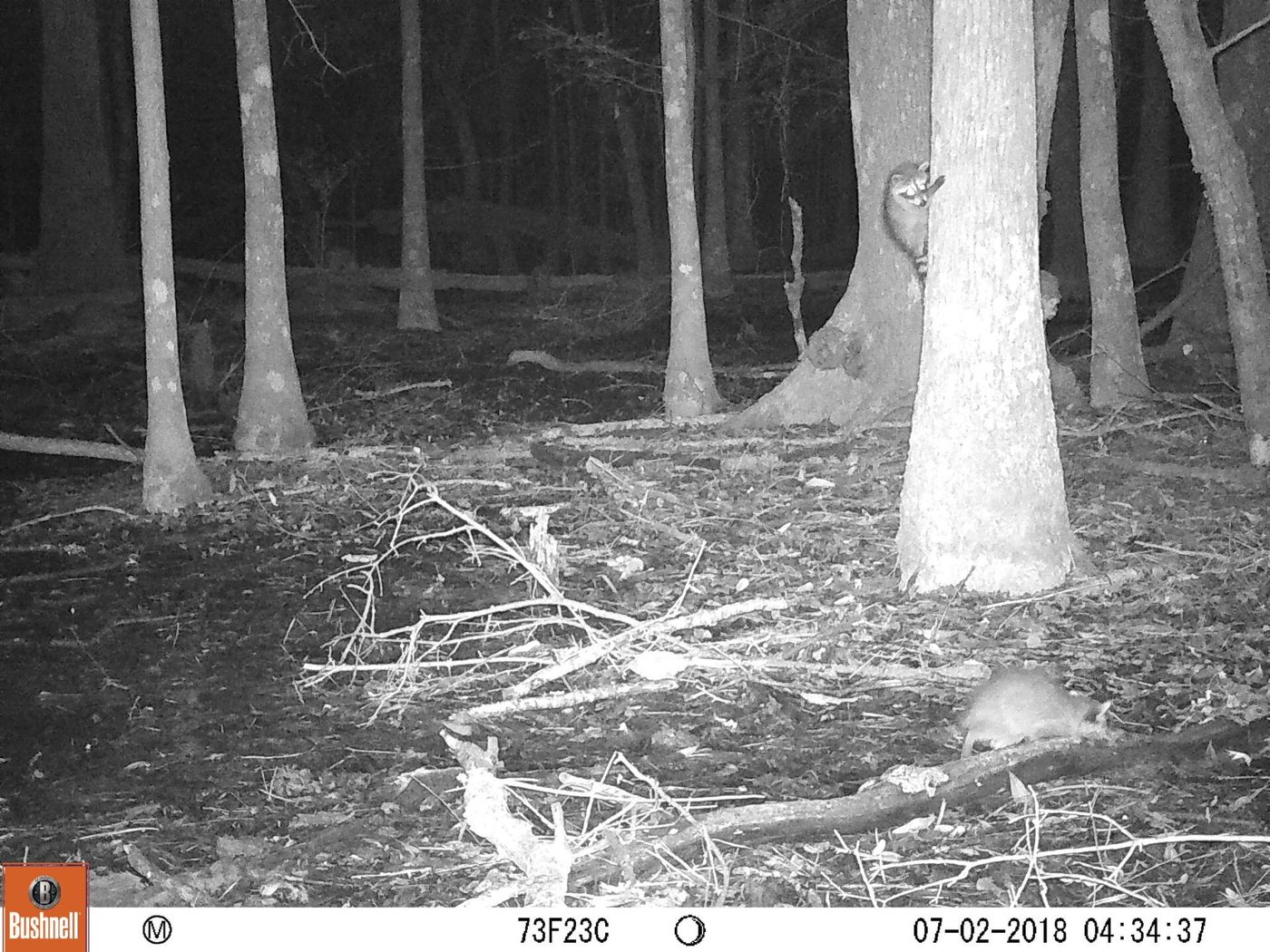

Motion-sensor lights near the coop can also help discourage night visitors, though some predators get used to them over time.
Step 7: Don’t invite them in
- Clean up feed and scraps. Spilled feed and leftover kitchen scraps bring in rats and mice, and those bring in snakes. Store feed in a metal can with a tight lid.
- Collect eggs at least once a day. Eggs sitting in the nest box are what draw snakes, skunks and opossums.
- Keep the area around the coop clear. Woodpiles, junk and tall brush right next to the coop give predators cover. Keep the compost pile well away from it.
- Remove sick or dead birds right away.
- Walk the fence line now and then. Look for fresh digging, bent wire, loose screws and gaps that weren’t there last week.
What about free range?
I’ll be honest: free-ranging chickens without losing some is hard. But free-range birds are happier and healthier, and their eggs taste better, because more bugs in the diet is better. If you want the benefits without feeding every fox in the county, some middle ground helps:
- Let them out during the day when you’re home, and get them in well before dusk. Feeding or watering them inside the coop at dusk trains them to head in on their own.
- Give them places to hide from hawks: shrubs, a low deck, a tarp shelter.
- Use movable fencing (electrified poultry netting is popular) to keep ground predators out of the area they’re ranging in.
- Some people with bigger flocks and bad predator pressure use a well-trained livestock guardian dog that stays with the birds.
Even with all of that, plan on losing a bird now and then. It’s part of keeping chickens, and it hurts every time. The coop is where you make sure it doesn’t happen at night, when they’re the most helpless.
If you do lose birds
Figure out what got in before you fix anything, using the clues above and your camera footage. Then fix that specific weak spot, because whatever found it will be back the next night. If you have repeat problems with a predator, your state wildlife agency or county extension office can tell you what’s legal in your area. Don’t set out poison; it can kill pets, other wildlife and even your own birds.
More for chicken keepers
If you’re just getting started, read my backyard chickens basics first, then build a chicken nesting box for your hens. If you’re out here in the Ozarks, it’s worth knowing which snakes around the coop are harmless rat snakes and which aren’t: see my guide to venomous snakes of Arkansas. And if you’re setting new posts for a run, here’s how to set a fence post that won’t lean.
Sources
- Poultry Extension (extension.org), “Predator Management for Small and Backyard Poultry Flocks” (common predators, identifying the predator, burying hardware cloth 12 inches, covered runs, orange netting, hawks and owls federally protected, guardian dogs, movable fencing): poultry.extension.org
- University of Maryland Extension, “Prevention of Predation” (1/4-inch gaps where chickens roost, trench 12 inches to 1.5 feet, elevating the coop, keeping compost away, motion lights): extension.umd.edu
- Meyer Hatchery, “Predator Proofing Your Coop and Run” (1/4-inch hardware cloth for snakes, 18 to 24 inch apron, screws and fender washers, multi-step latches, elevating the coop): meyerhatchery.com
Follow Danny on X: @djgaston19
From https://www.djgaston.com/predator-proof-chicken-coop/ · Updated November 23, 2026