Welcome to djgaston.com

Tag: kitchen

How to Get Rid of Fruit Flies

Fruit flies are annoying, but once you find where they’re coming from they’re easy to beat.

Quick answer Find and remove where they breed: overripe produce, the trash and recycling bins, sticky spills, damp mops and rags, and gunky drains. Then catch the leftover adults with a cider-vinegar trap: a little vinegar, a drop of dish soap, and plastic wrap with small holes poked in it.
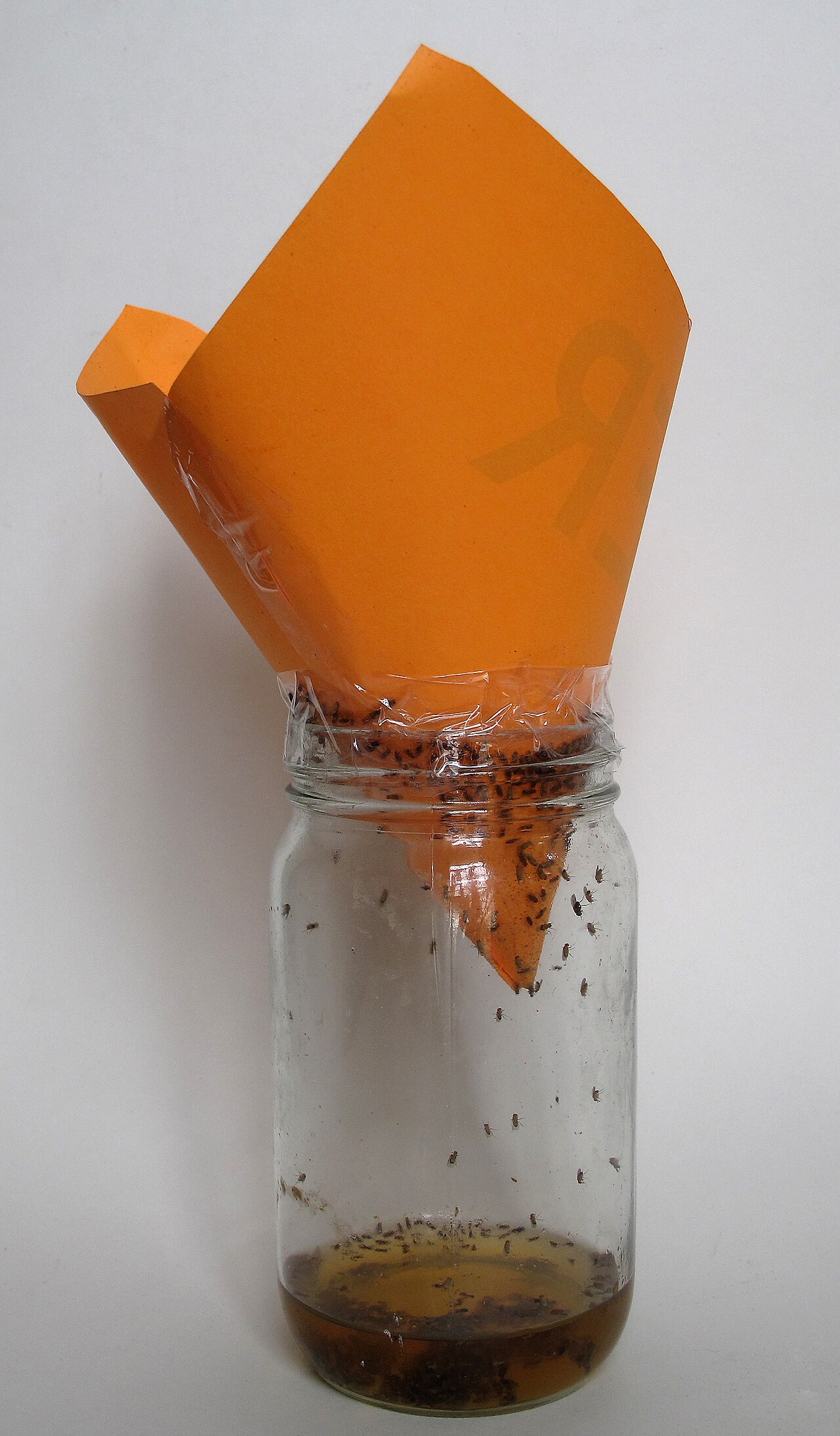
How to Get Rid of Fruit Flies
Photo: Downtowngal / Wikimedia Commons, CC BY-SA 3.0
Tools & materials

  • Apple cider vinegar
  • Dish soap
  • Small jar or glass, plastic wrap, rubber band
  • Stiff drain brush
  • Clear plastic bag or wrap (to test drains)

Steps

  1. Refrigerate ripe fruit, or toss anything overripe or damaged. Check potatoes and onions for a soft one.
  2. Empty and rinse the trash, compost and recycling (bottles and cans especially). Wipe up spills under appliances.
  3. Wash or replace damp mops, sponges and rags.
  4. Test the drains: tape clear plastic over each drain overnight. Flies stuck underneath in the morning mean that drain is a breeding spot.
  5. Scrub the inside of that drain with a stiff brush, then flush with hot water to clear the film they breed in.
  6. Trap the adults: pour about 1/2 inch of cider vinegar in a jar with a drop of dish soap. Cover with plastic wrap, poke a few small holes, and set it where they gather. Empty and refresh it every few days.
  7. Keep at it for a week or two. The point is to break their breeding cycle.

Bug spray won’t solve this. As long as the breeding spot is there, new flies keep hatching.
How to Restore and Season Cast Iron

I love cast iron. A rusty skillet isn’t ruined; it’s just waiting for a little attention.

Quick answer Scrub off the rust with steel wool, wash and dry it completely, then wipe on a very thin coat of cooking oil. Bake it upside down at 450–500°F for one hour, then let it cool in the oven. Repeat if it still looks dull.
How to Restore and Season Cast Iron
Photo: Douglas P Perkins (Douglaspperkins (talk)) / Wikimedia Commons, CC BY 3.0
Tools & materials

  • Steel wool or a rust eraser
  • Dish soap, warm water, stiff brush
  • Vegetable oil, shortening or another high-smoke-point oil
  • Lint-free cloth or paper towels
  • Aluminum foil

Steps

  1. Scour all the rust off, inside and out, down to bare gray iron.
  2. Wash with warm soapy water and scrub. (Soap is fine on cast iron.)
  3. Dry it right away with a towel, then set it on a warm burner for a few minutes to drive off every bit of moisture.
  4. Rub a small amount of oil over every surface, including the handle and bottom. Then wipe it off as if you made a mistake. It should look barely shiny, not wet. Too much oil turns sticky.
  5. Put foil on the lower rack to catch drips. Set the pan upside down on the upper rack.
  6. Bake at 450–500°F for 1 hour. Turn off the oven and let the pan cool inside.
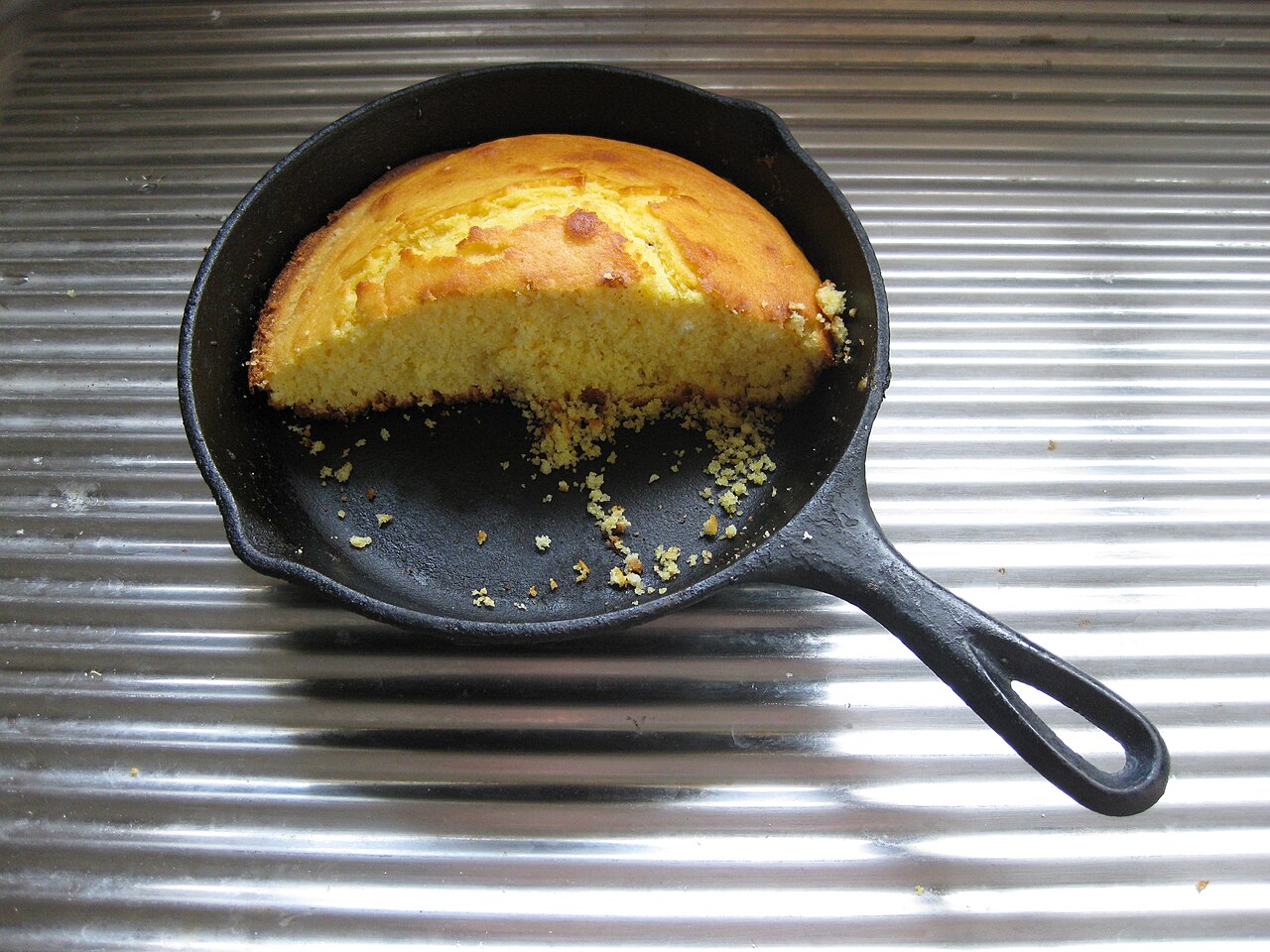
  7. Repeat 2–3 times for a fresh restoration. Then cook something fatty (bacon, cornbread) to build it up.
How to Restore and Season Cast Iron
Photo: Taylorderek / Wikimedia Commons, CC BY-SA 4.0
Safety: Seasoning at high heat can smoke. Run the vent fan and open a window.

Everyday care

Wash, dry right away, wipe on a whisper of oil while it’s warm, and store dry. Don’t soak it or put it in the dishwasher.